
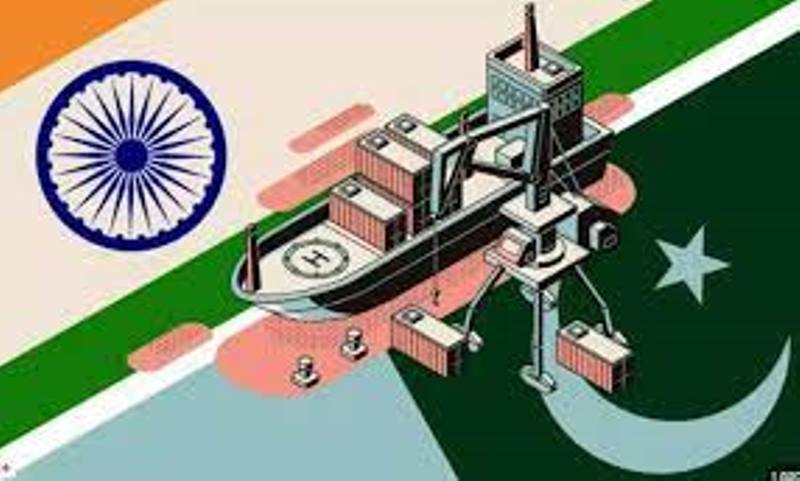
Following the recent escalation in tensions between India and Pakistan, both nations have imposed stringent trade and airspace restrictions. India has banned imports from Pakistan and prohibited Pakistani ships from docking at its ports, citing national security concerns after a deadly attack in Kashmir.
In retaliation, Pakistan has halted border trade, closed its airspace to Indian aircraft, and expelled Indian diplomats.
Impact on Shipping and Logistics
The abrupt trade restrictions have significantly disrupted regional logistics. Numerous exports and hundreds of import containers en route to Pakistan via India are now stranded at sea. Shipping companies have been compelled to reroute vessels, with transit ports like Colombo and Salalah gaining prominence.
The situation is further complicated by a recent strike in Pakistan, triggered by government plans to build new canals along the Indus River, which blocked key transport routes between the north and south. Consequently, many shipments arrived late at the port of Karachi and missed their scheduled departures, leading to re-bookings and delays.
Economic Consequences for Pakistan
The cumulative effect of these disruptions is substantial for Pakistan’s economy. Pakistan now faces higher shipping costs.
- Africa-bound containers cost an extra $300.
- Europe-bound ones cost an additional $800.
Airspace closures and flight rerouting have increased fuel use. Travel times are longer, affecting both passenger and cargo services.