
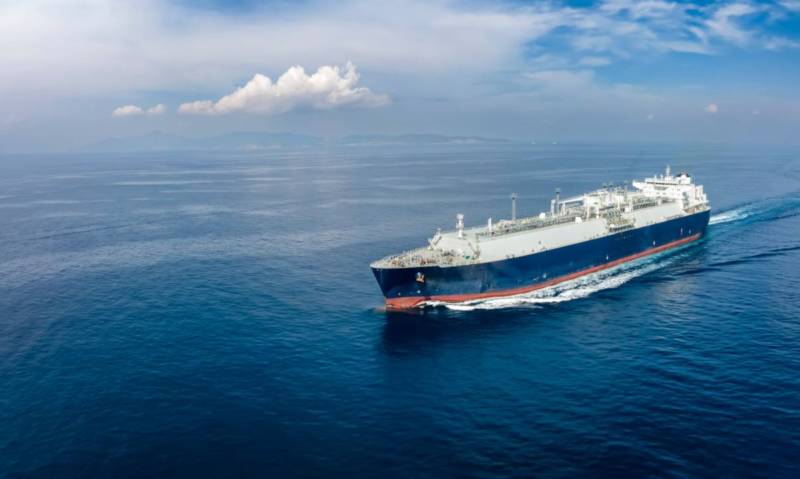
GAIL (India) has successfully berthed and discharged its first LNG vessel at the Dabhol LNG
Terminal following the completion of the landmark Breakwater Project. The vessel, GAIL Bhuwan, was received on June 2, 2025, by Sandeep Kumar Gupta, Chairman & Managing Director, and Sanjay Kumar, Director (Marketing), GAIL, marking the commencement of
uninterrupted, round-the-year operations at the terminal.
With the commissioning of the breakwater after receipt of all statutory approvals, Dabhol LNG Terminal has now been designated an all-weather port, which is a critical transformation that ensures safe and reliable LNG operations even during the Southwest monsoon, traditionally a challenging period for marine logistics on India’s West coast.
Strategically located on the Maharashtra coastline, the Dabhol LNG Terminal has a regasification capacity of 5.0 MMTPA and serves as a vital link in India’s gas supply network via the Dabhol-Bangalore and Dabhol-Panvel cross-country pipelines. Dabhol is an island
breakwater (unlike conventional land-connected structures) showcasing a feat of advanced
marine engineering. This ambitious project, involving extensive collaboration among multiple stakeholders, posed complex technical challenges and required innovative, customized solutions.
The successful commissioning of the breakwater is expected to significantly enhance the vessel
accessibility and improve capacity utilization at the terminal, bolstering energy infrastructure and supply reliability.
This achievement comes at a crucial time as GAIL looks to expand the terminal’s capacity from 5.0 MMTPA to 6.3 MMTPA in the first phase over the next three years. Once expanded, the terminal is expected to handle up to 100 LNG cargoes annually, thereby playing a pivotal role in reinforcing India’s energy security.