
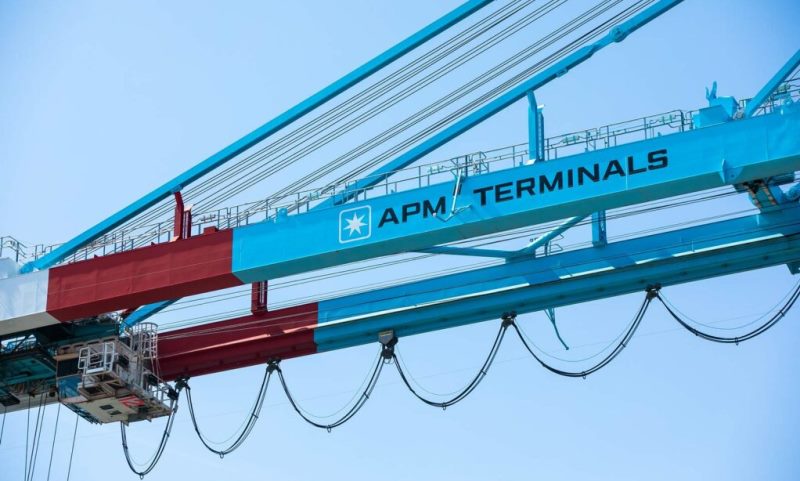
APM Terminals will invest $550 million to expand Peru’s Port of Callao starting January, according to a Reuters report. The investment, to be deployed over two years, aims to boost terminal capacity and enable the port to handle mega-vessels of up to 24,000 TEU.
Fernando Fauche, Commercial Director of APM Terminals’ Peruvian unit, announced the plan during the launch of a new weekly cargo service connecting China and South Korea with Peru. He said the expansion would help position Callao as a stronger logistics hub on the Pacific coast.
The investment follows APM Terminals Callao’s recent launch of direct, non-stop shipping routes from Asia. The new MSC-operated service, Alpaca, connects Ningbo (China) and Busan (South Korea) directly with Callao, cutting traditional transit times by up to 15 days.
APM Terminals Callao CEO Carlos Arias said the faster route is already delivering significant benefits:
“This non-stop route cuts the usual shipping times to Asia by up to 15 days, generating an immediate impact on sectors such as manufacturing, retail, technology, and mining, which are essential to the Peruvian economy.”
The expansion project is expected to further strengthen Peru’s trade links with Asia and support the port’s long-term growth as a key gateway for regional commerce.