
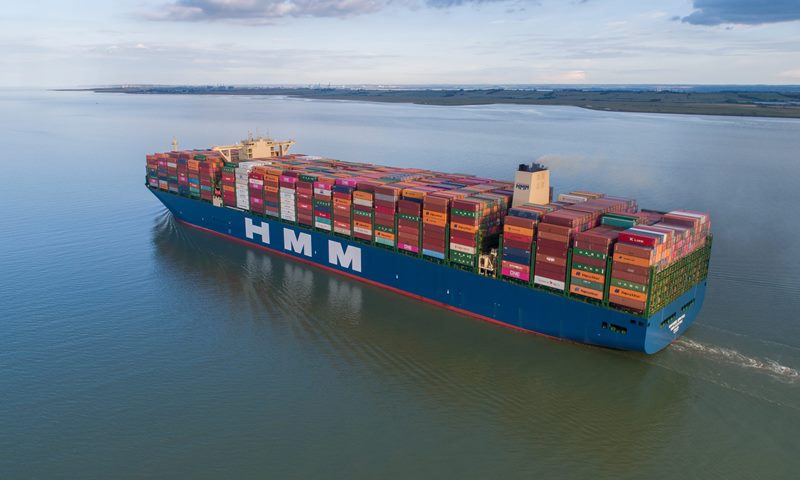
South Korean shipping company HMM has signed a green shipping partnership with NEXTPOWER, strengthening its efforts to promote sustainable maritime operations and accelerate the shipping industry’s transition towards lower-carbon transportation.
The collaboration reflects growing cooperation between shipping companies and energy-sector players to develop practical solutions for reducing greenhouse gas emissions from maritime transport. As environmental regulations become more stringent, carriers are increasingly exploring alternative fuels, energy-efficient technologies and cleaner operating practices.
For HMM, the partnership is expected to support its broader sustainability strategy and efforts to improve the environmental performance of its fleet. Green shipping initiatives are becoming an important part of the company’s long-term plans as global customers place greater emphasis on reducing emissions across their supply chains.
The maritime sector faces increasing pressure to reduce its carbon footprint while maintaining the efficiency and competitiveness of international trade. Shipping companies are therefore examining a range of solutions, including alternative marine fuels, renewable energy, improved vessel designs and operational optimisation.
Collaboration with specialised energy and technology companies can help accelerate the development and adoption of these solutions. Such partnerships may also create opportunities to strengthen fuel supply arrangements, develop new technologies and establish more sustainable shipping practices.
The agreement between HMM and NEXTPOWER highlights the growing importance of cross-industry cooperation in maritime decarbonisation. As the transition progresses, partnerships between shipping operators, fuel suppliers and technology providers are expected to play a significant role in shaping the future of global shipping.
Further details on the specific projects, technologies and implementation plans under the agreement will determine its contribution to HMM’s environmental targets and the wider green shipping transition.