
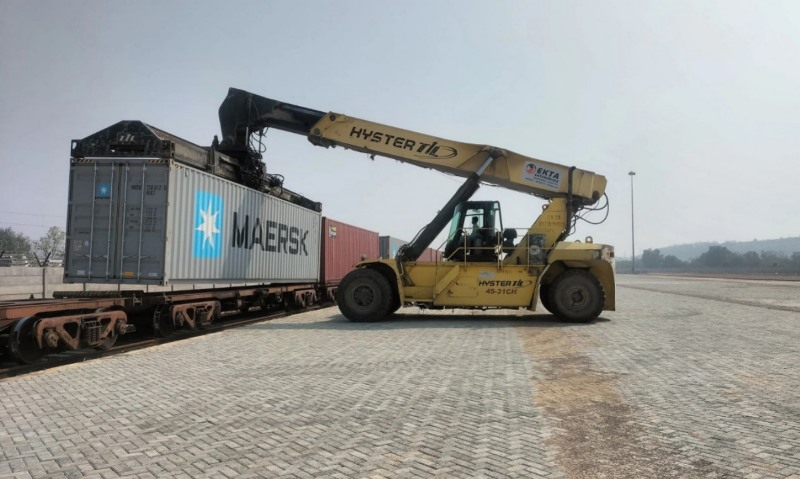
Global shipping company Maersk has introduced new 48-hour requirements for dangerous goods (DG) containers at the Port of Napier in New Zealand, reinforcing operational and safety procedures for the handling of regulated cargo.
Under the new rules, customers and logistics operators handling dangerous goods shipments through Napier will need to comply with the specified 48-hour timeframe. The requirements are intended to improve coordination between shipping lines, port operators, cargo owners and other parties involved in the movement of hazardous cargo.
Dangerous goods, which include chemicals, flammable materials, gases and other regulated substances, require specialised handling and documentation to minimise risks during transportation and storage. Ports and shipping companies follow strict procedures governing cargo declarations, acceptance, handling and movement.
The introduction of the new timeframe is expected to require closer planning by exporters, importers, freight forwarders and transport operators. Delays in submitting cargo information or meeting operational deadlines could affect container acceptance and shipment schedules.
For businesses moving dangerous goods through Napier, timely communication with Maersk and compliance with the applicable port procedures will be important to avoid operational disruptions. Shippers may also need to review their documentation and transport arrangements to ensure that containers meet the revised requirements.
The move highlights the importance of standardised safety procedures in container shipping, particularly as ports handle a wide range of specialised and regulated cargo. Effective coordination among all stakeholders remains essential to maintaining safe and efficient port operations.