
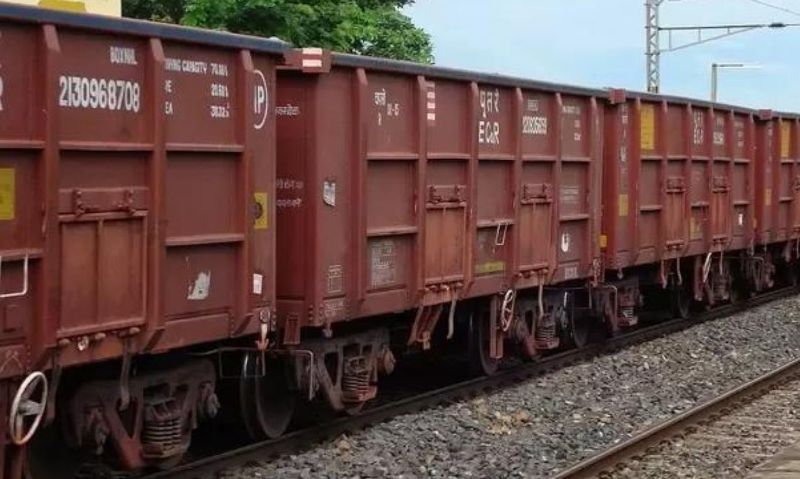
Trinity Rail has entered India’s freight wagon leasing market, marking a strategic expansion into one of the world’s fastest-growing rail freight sectors. The move is expected to enhance the availability of modern rolling stock for businesses seeking flexible and cost-effective transportation solutions across the country’s expanding logistics network.
By launching wagon leasing operations, Trinity Rail aims to support industries that rely heavily on rail transportation, including commodities, manufacturing, energy, and infrastructure. Leasing arrangements offer customers access to freight wagons without the substantial upfront capital investment associated with ownership, helping companies improve operational efficiency and fleet flexibility.
The company’s entry comes as India continues to prioritize rail freight modernization and capacity expansion to meet rising cargo demand. Increased investment in dedicated freight corridors, logistics parks, and multimodal transport infrastructure has created new opportunities for private participation in the rail ecosystem.
Industry observers note that wagon leasing is gaining traction as businesses look for scalable transportation solutions amid growing supply chain requirements. The availability of leased rolling stock can help shippers respond more effectively to fluctuations in cargo volumes while optimizing asset utilization.
Trinity Rail’s presence is expected to contribute to the development of India’s rail logistics sector by expanding financing options and supporting the adoption of modern freight equipment. As rail transport assumes a larger role in the country’s logistics strategy, the company’s entry could help strengthen freight mobility and improve supply chain efficiency across key industrial corridors.