
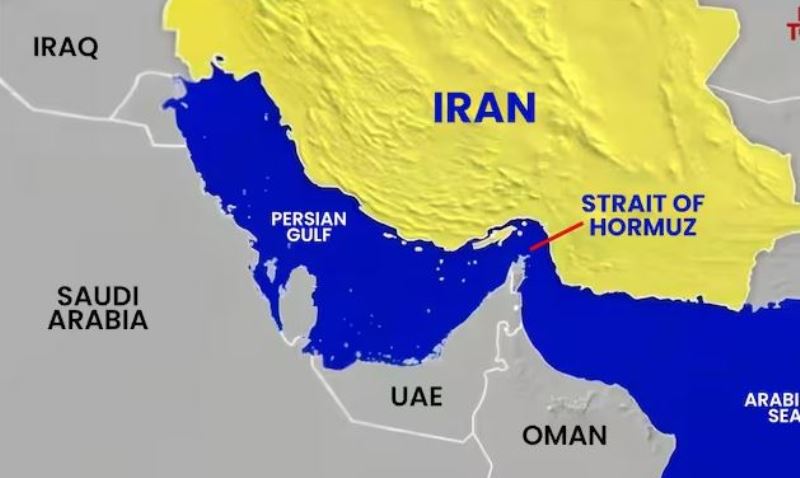
Maritime security concerns have intensified in the Strait of Hormuz after Singapore-flagged vessel EVER LOVELY was involved in an incident while transiting one of the world’s most critical shipping chokepoints.
The incident has raised fresh concerns among shipowners, operators, and cargo interests as vessels continue to navigate heightened risks in the Gulf region. The Strait of Hormuz remains a vital route for global energy and container shipping, with a significant share of international trade passing through the narrow waterway.
Industry stakeholders are closely monitoring the situation as any disruption in the region could affect vessel schedules, insurance costs, and operational planning for carriers. Shipping companies have been reviewing risk assessments and security measures for vessels operating near the area.
The EVER LOVELY incident comes amid ongoing geopolitical tensions that have already influenced maritime movements, with some carriers previously adjusting routes and increasing precautions to protect crews and cargo.
Analysts said continued uncertainty around Hormuz could contribute to higher operating costs, including additional security measures, longer transit planning, and potential impacts on freight markets.
Shipping lines and authorities are expected to maintain close coordination as they assess the safety of commercial vessel movements through the strategic waterway. The incident highlights the fragile security environment facing global shipping routes and the need for continued monitoring of developments in the region.