
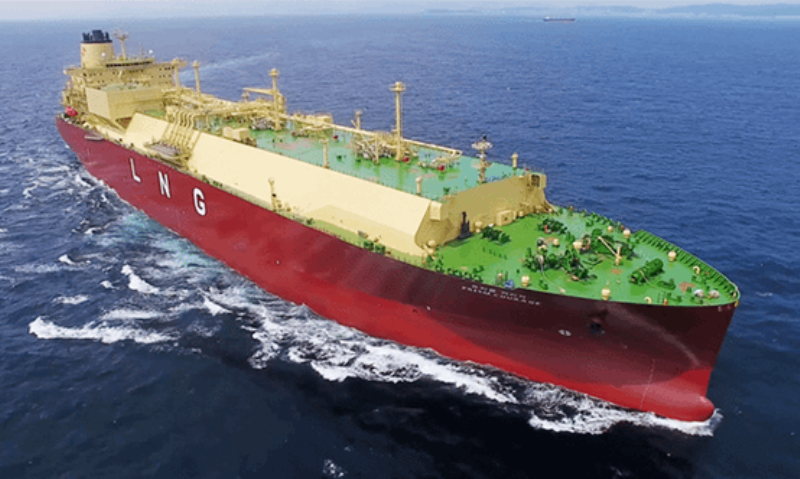
Qatar has positioned empty liquefied natural gas (LNG) carriers in the Gulf, potentially signalling preparations for an increase in LNG exports as shipping activity around the region adjusts to changing market and security conditions.
The movement of empty vessels into the Gulf could provide Qatar with additional shipping capacity to support future cargo loadings. LNG carriers need to be strategically positioned ahead of scheduled export programmes, particularly when vessel availability and regional navigation conditions are subject to disruption.
Qatar is one of the world’s leading LNG exporters, with its gas shipments serving major markets in Asia and Europe. Any increase in export activity could have implications for global LNG supply and shipping flows, particularly for buyers seeking additional cargoes.
The positioning of vessels comes amid heightened attention on maritime operations in the Gulf and surrounding waters. Disruptions or security concerns in the region can affect vessel movements, insurance costs, sailing schedules and the availability of shipping capacity.
For LNG buyers, the availability of additional cargoes from Qatar could provide greater flexibility in managing supply requirements. Asian markets remain particularly important for Qatari LNG, while European demand has also increased the strategic importance of Qatar’s export network.
From a shipping perspective, positioning empty LNG carriers closer to loading facilities can help reduce the time required to prepare vessels for export voyages. It may also allow operators to respond more quickly if additional cargoes become available.
Market participants are expected to closely monitor vessel movements, loading schedules and developments affecting Gulf shipping. Any sustained increase in Qatari LNG exports could influence regional freight demand and global gas trade patterns.
The latest vessel positioning therefore provides a potential indication of increased LNG export activity, although the actual scale and timing of any additional shipments will depend on cargo availability, commercial demand and regional operating conditions.