
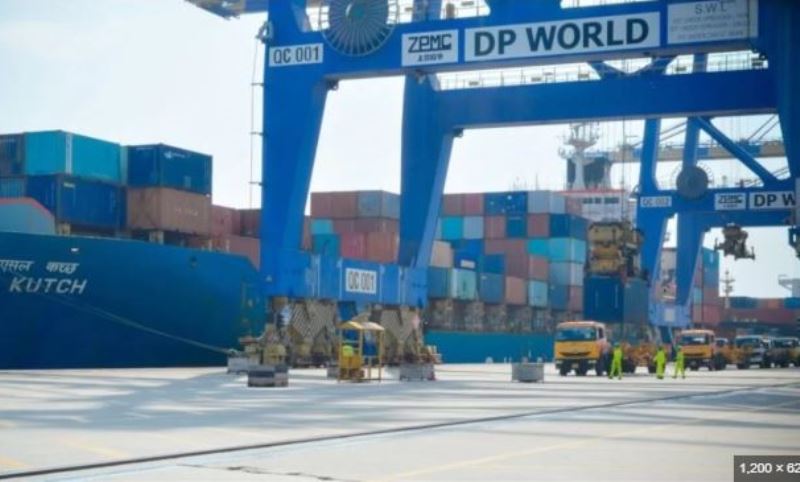
DP World Group CEO Yuvraj Narayan has called for a fundamental change in India’s port development model, advocating long-term joint ventures (JVs) between the government and private operators instead of conventional 30-year concession agreements. He believes the proposed approach could encourage sustained investment, modernisation and capacity expansion across the country’s maritime infrastructure.
Narayan argued that the existing concession framework limits the time available for operators to recover their investments and upgrade facilities. Developing a port can take several years, followed by a period of operational stabilisation, leaving a relatively short window for operators to maximise utilisation and generate returns before their contracts expire.
Under the proposed model, the government would retain ownership of the underlying port infrastructure while partnering with private operators through longer-term joint ventures. Performance would be assessed against agreed key performance indicators (KPIs), providing greater certainty for investors and encouraging continuous improvements in operational efficiency.
DP World has already invested around US$3 billion in India over three decades and has pledged an additional US$5 billion to expand its ports, rail and logistics network. The company operates five container terminals in India, with a combined annual handling capacity of approximately six million TEUs.
Narayan also highlighted the importance of improving connectivity between ports and inland markets through railways, road networks and integrated logistics facilities. He argued that India should prioritise its role as a gateway for the country’s exports and imports rather than focusing primarily on transshipment traffic.
The proposed Vadhavan Port in Maharashtra is among the major projects attracting DP World’s interest. The company is exploring opportunities to expand its participation in India’s port infrastructure while strengthening connections between domestic manufacturers and international markets.
The call for a revised partnership framework comes as several existing port-terminal concessions approach expiry and India considers ways to attract more long-term private investment. A shift towards longer-duration joint ventures could help provide greater investment certainty, support technology adoption and encourage operators to continue upgrading port facilities.
For India’s maritime sector, the debate highlights the need to balance public ownership, private-sector participation and long-term infrastructure development to improve port efficiency and strengthen the country’s position in global trade.