
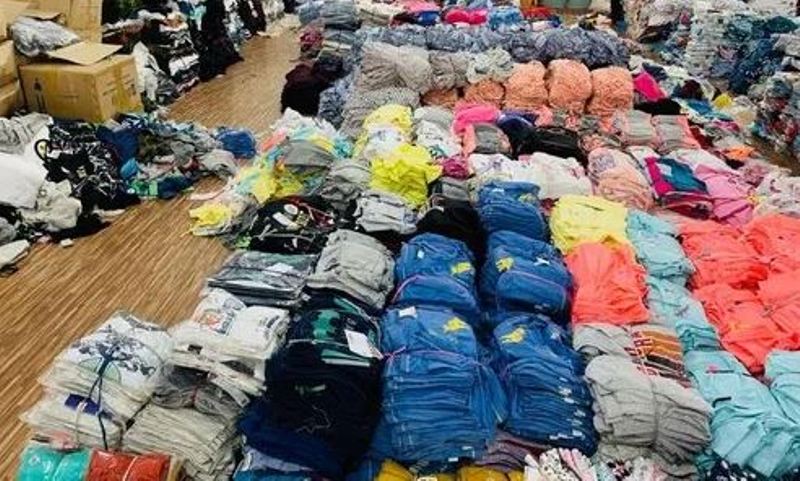
Widespread labour unrest across Bangladesh’s garment manufacturing hubs is disrupting factory operations and cargo movements, raising concerns over export shipment schedules and delivery commitments to international buyers.
Around 690 garment factories suspended production on Monday (2 November) as workers continued protests demanding higher minimum wages and improved working conditions. Road blockades across key industrial areas have also disrupted the movement of export cargo from factories in Dhaka and surrounding manufacturing centres to Chittagong Port.
The disruption is creating challenges on two fronts for Bangladesh’s garment exporters. Factory shutdowns are threatening production schedules and the timely completion of export orders, while roadblocks are delaying the transportation of finished garments to ports, potentially resulting in missed vessel departures and shipping cut-off deadlines.
For freight forwarders, shipping lines and logistics providers, prolonged disruption could mean rescheduling cargo collections, revising vessel bookings and managing delays in shipment readiness. Exporters unable to meet contractual delivery deadlines may also face pressure from international buyers to consider airfreight, potentially increasing transportation costs substantially.
Protests continued on Monday in Dhaka’s Mirpur area, Ashulia, Gazipur and Tongi, with police and Border Guard Bangladesh personnel deployed to control the situation. Clashes between protesters and security forces were also reported.
Factory owners have warned that continued unrest could force them to suspend operations indefinitely, further threatening production and export commitments.
Fazlee Shamim Ehsan, president of the Bangladesh Knitwear Manufacturers and Exporters Association (BKMEA), said the labour unrest was already affecting overseas trade, with international buyers expressing concern over the disruption to production and exports.
He also pointed to uncertainty in Bangladesh’s largest apparel export market, Europe, where economic instability could further weaken purchasing activity.
According to Gazipur Industrial Police Superintendent Amjad Hossain, more than 150 factories in Gazipur alone had suspended operations on Monday. The nationwide closure figure subsequently rose to approximately 690 factories, following the shutdown of at least 500 units on Sunday amid concerns over vandalism and worker unrest.
The government has formed a new wage board, headed by a district judge and comprising representatives of factory owners and workers, to review the minimum wage structure. However, the announcement has so far failed to bring an immediate end to the demonstrations.
Garment workers are demanding a minimum monthly wage of Tk30,000 (approximately US$250), compared with the existing minimum of Tk12,500. Their other demands include food rationing facilities in factories, implementation of trade union rights, judicial investigations into workers’ deaths and an end to unjustified layoffs.
For Bangladesh’s export-dependent garment industry, the immediate concern is how quickly factory operations and road connectivity can return to normal. Any prolonged shutdown would leave manufacturers with less time to complete outstanding orders and move finished cargo to ports before scheduled vessel departures.