
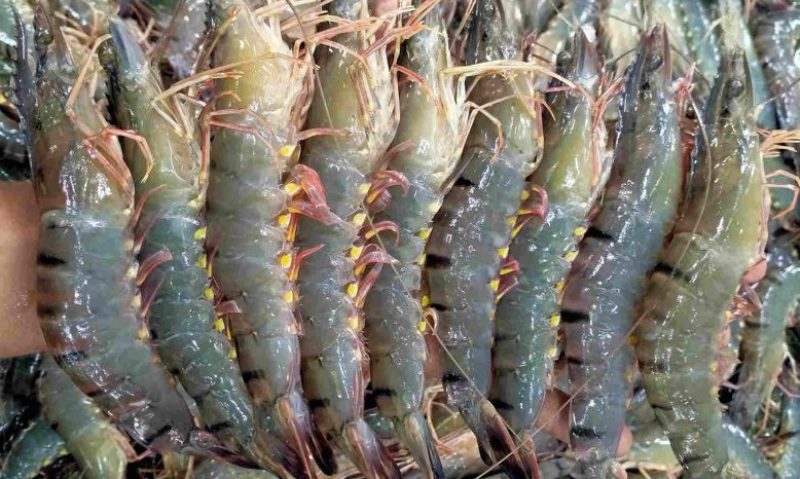
India’s shrimp export sector is showing signs of recovery, supported by improving overseas demand and growing interest in value-added seafood products. Exporters are increasingly focusing on processed and ready-to-cook shrimp to strengthen their market presence, improve profit margins and reduce dependence on conventional frozen shrimp shipments.
Shrimp remains one of India’s most important seafood export commodities, with the United States, China, the European Union, Japan and Southeast Asian countries serving as key international markets. The sector has faced challenges from changing global demand, price competition, higher production costs and stringent food safety requirements in importing countries.
The gradual recovery in export activity is encouraging seafood processors and exporters to diversify their product portfolios. Value-added products, including peeled and deveined shrimp, cooked shrimp, breaded shrimp and ready-to-cook preparations, are gaining traction in international markets.
These products offer greater processing value and cater to changing consumer preferences for convenient seafood options. They also provide Indian exporters with opportunities to move beyond bulk commodity shipments and capture a larger share of the international seafood value chain.
Industry players are investing in modern processing facilities, improved cold-chain infrastructure, quality control systems and traceability to meet international standards. Compliance with residue monitoring, antibiotic restrictions and sustainability requirements remains particularly important for maintaining access to major export markets.
However, competition from countries such as Ecuador, Vietnam and Indonesia continues to put pressure on Indian shrimp exporters. Raw material costs, disease-related production risks and fluctuations in international prices also remain concerns.
Industry stakeholders believe that expanding value-added processing, improving farm productivity and diversifying export destinations will be essential to sustaining the recovery.
With increasing emphasis on product innovation and quality standards, India’s shrimp export industry is looking to strengthen its global competitiveness and generate higher value from seafood exports.