
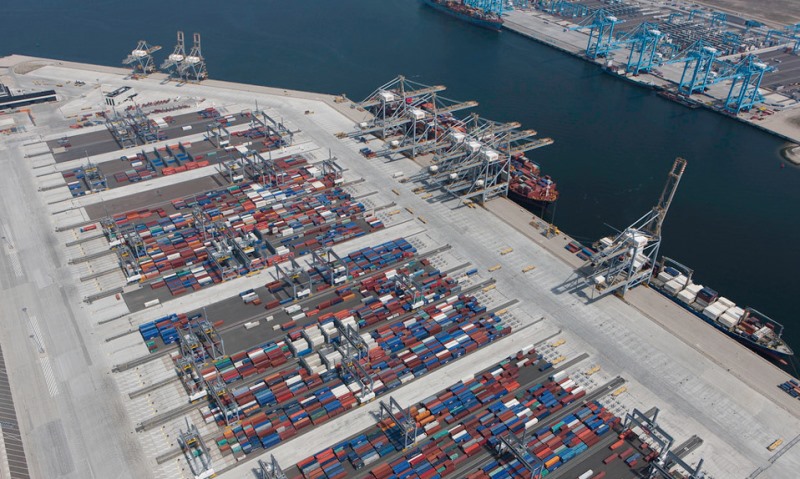
The Port of Rotterdam is preparing for the next phase of terminal expansion as it looks to strengthen its infrastructure, improve cargo-handling capacity and maintain its position as one of Europe’s leading maritime gateways.
As the largest seaport in Europe, Rotterdam plays a vital role in handling containerised cargo, bulk commodities, energy products and industrial shipments. Its extensive connections with global shipping networks and inland transport systems make it a critical hub for European and international trade.
The planned expansion phase is expected to focus on developing terminal infrastructure and improving operational capabilities to accommodate evolving shipping and logistics requirements. Increasing vessel sizes, changing trade patterns and the need for more efficient cargo movement are driving ports across Europe to invest in modern facilities and handling systems.
Additional terminal capacity could help Rotterdam manage future growth in container traffic while improving vessel turnaround times and cargo movement. The expansion may also strengthen the port’s ability to serve shipping lines, freight forwarders and major industrial customers operating across the European market.
Sustainability is another important consideration in Rotterdam’s long-term development strategy. The port has been working towards reducing emissions and supporting the energy transition through investments in cleaner fuels, electrification and more sustainable logistics operations. Future infrastructure development is expected to align with these broader ambitions.
The expansion will also have implications for the port’s hinterland connectivity. Efficient links with rail, inland waterways and road networks will remain essential to moving additional cargo between Rotterdam and major European industrial and commercial centres.
With competition among major European ports intensifying, the next phase of terminal development is expected to support Rotterdam’s long-term competitiveness and strengthen its role in global supply chains.