
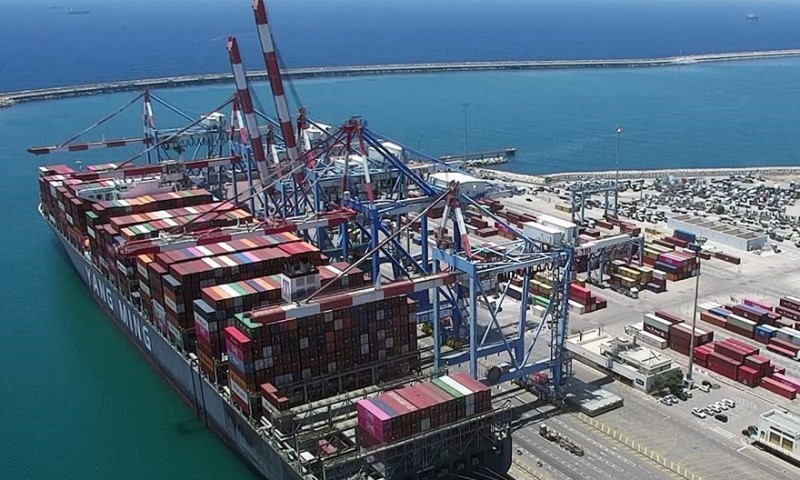
Israeli ports handled a total of 48.78 million tonnes of cargo between January and October 2026, registering a 5% increase compared with the corresponding period last year. The growth indicates an improvement in overall port activity despite the challenges facing regional maritime trade.
The increase in cargo volumes highlights the continuing importance of Israel’s maritime gateways in supporting the country’s international trade and supply chains. Ports play a critical role in handling imports of essential commodities, industrial raw materials, energy products and consumer goods, alongside export shipments serving overseas markets.
The higher throughput also reflects the importance of maintaining efficient port operations amid changing shipping patterns and regional uncertainties. Reliable cargo handling, vessel scheduling and hinterland connectivity remain essential to ensuring the smooth movement of goods through the country’s maritime infrastructure.
The performance places renewed focus on the capacity and operational resilience of Israeli ports. As cargo demand grows, terminal operators and port authorities face the need to maintain productivity, improve infrastructure and ensure that facilities can accommodate changing vessel and cargo requirements.
Efficient port operations are particularly important for an economy that relies heavily on maritime transportation for international trade. Any disruption to shipping services or port operations can affect import availability, export schedules and logistics costs.
The 5% increase in throughput during the first ten months of 2026 suggests continued activity across Israel’s port network. Sustaining this growth will depend on trade demand, shipping connectivity and the ability of ports to respond to evolving regional and global logistics conditions.