
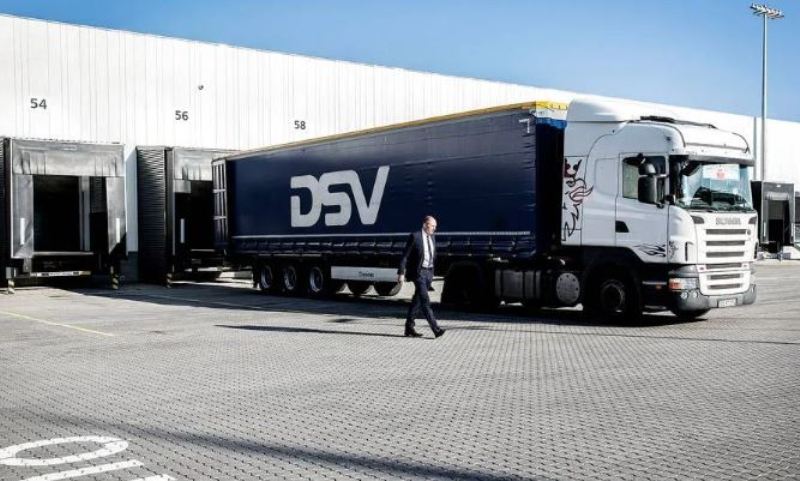
Global logistics provider DSV has partnered with Cathay Cargo to promote the use of sustainable aviation fuel (SAF) in Asia, strengthening efforts to reduce carbon emissions from air freight operations.
The collaboration reflects the growing importance of sustainable fuel solutions as airlines and logistics companies work towards reducing the environmental impact of aviation. SAF is considered a key option for lowering lifecycle greenhouse gas emissions compared with conventional jet fuel, although its availability and cost remain significant challenges for wider adoption.
Through the partnership, DSV and Cathay Cargo aim to support the adoption of SAF within air cargo supply chains and encourage customers to participate in more sustainable freight transportation. Such collaborations can help businesses address emissions associated with the transportation of goods while progressing towards their own environmental targets.
Air cargo plays a critical role in global trade, particularly for high-value, time-sensitive and temperature-controlled shipments. However, aviation remains a carbon-intensive mode of transport, placing increasing pressure on airlines and logistics providers to identify practical decarbonisation measures.
SAF can be produced from various renewable and waste-based feedstocks and used in aircraft engines when blended with conventional aviation fuel, subject to applicable technical and regulatory standards. Its wider deployment, however, depends on increased production, reliable supply chains and supportive policy frameworks.
For Asia, where air cargo demand continues to expand alongside manufacturing and cross-border e-commerce, greater SAF adoption could become an important part of the region’s sustainable logistics transition.
The DSV–Cathay Cargo partnership highlights how cooperation between freight forwarders and airlines can help accelerate the development of lower-carbon air cargo solutions. It also reflects the growing role of customer participation in financing and supporting the transition towards more sustainable aviation.