
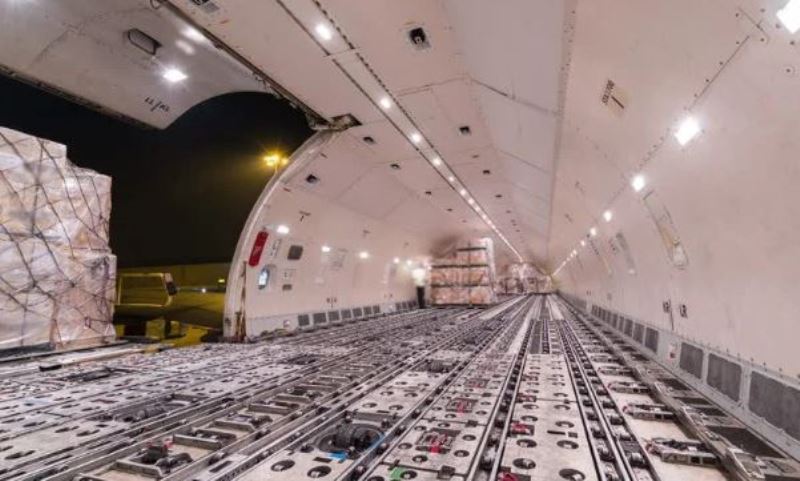
Airlines are reshaping their global cargo networks as changes in trade flows, aircraft availability and market demand prompt carriers to reposition freighter capacity across key international routes.
The shift is creating a more dynamic air-freight market, with airlines adjusting frequencies, routes and aircraft deployment to match changing cargo demand. Freighter operators are increasingly focusing capacity on markets offering stronger and more consistent volumes while reducing exposure on weaker lanes.
The changes come as global trade patterns continue to evolve. Manufacturing diversification, changing sourcing strategies and the expansion of e-commerce are influencing where air-cargo capacity is required. Disruptions affecting major maritime routes are also encouraging some shippers to move time-sensitive cargo by air.
Freighter capacity is particularly important for commodities that require dedicated aircraft space or cannot be efficiently accommodated in passenger aircraft bellyholds. Pharmaceuticals, electronics, high-value components, perishables and urgent industrial shipments remain important sources of demand.
Airlines are also reviewing their fleets as older freighters reach retirement and newer, more fuel-efficient aircraft enter service. Fleet decisions are influencing network planning, with carriers able to deploy larger or more efficient freighters on high-volume routes and smaller aircraft on regional services.
The expansion of dedicated cargo networks is also increasing competition between airlines and specialist freight operators. Carriers are seeking to improve aircraft utilisation, increase cargo yields and build stronger relationships with freight forwarders.
At the same time, geopolitical uncertainty and changes in international trade policies are making network planning more complicated. Cargo flows can shift rapidly when tariffs, sanctions, security concerns or supply-chain disruptions alter established trade routes.
For freight forwarders and shippers, the movement of freighter capacity is creating both opportunities and challenges. Additional capacity on key routes can improve availability and potentially moderate freight rates, while reductions on other lanes can lead to tighter capacity and higher costs.
Airlines are therefore expected to continue fine-tuning their cargo networks through the remainder of the year. As global trade patterns evolve, the ability to rapidly reposition freighters and adapt schedules will remain a key competitive factor in the international air-cargo market.