
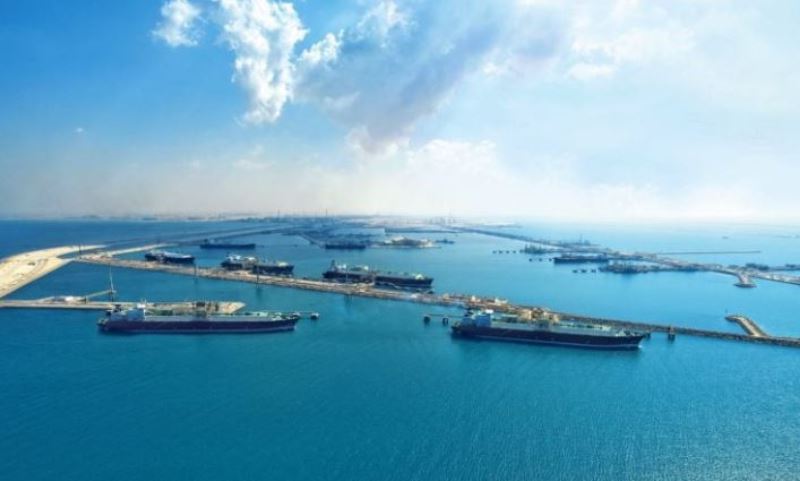
An empty liquefied natural gas (LNG) carrier has returned to Qatar for the first time since the outbreak of regional hostilities, highlighting the growing impact of maritime security concerns on global energy shipping routes.
The vessel’s return without loading cargo underscores the heightened caution being exercised by shipowners, operators, and charterers as geopolitical tensions continue to affect navigation through key energy transit corridors. The development reflects the challenges facing the LNG industry as security risks influence vessel deployment decisions and voyage planning.
Qatar, one of the world’s largest LNG exporters, plays a critical role in supplying natural gas to markets across Asia, Europe, and other regions. Any disruption to shipping operations involving Qatari LNG exports is closely monitored by energy traders, importers, and policymakers due to its potential implications for global energy security.
Industry analysts note that while LNG exports have continued, shipping companies are increasingly assessing route risks, insurance costs, crew safety considerations, and operational flexibility. The return of an empty tanker suggests that market participants are adapting strategies to navigate an uncertain security environment.
Maritime experts warn that prolonged instability in key shipping lanes could lead to increased transportation costs, longer transit times, and tighter vessel availability. Such developments may influence freight rates and contribute to volatility in global energy markets.
Despite the latest incident, Qatar’s energy sector remains a cornerstone of international LNG supply. However, the movement of the empty carrier serves as a reminder of how geopolitical tensions can quickly affect maritime logistics and the flow of critical energy commodities across global trade networks.