
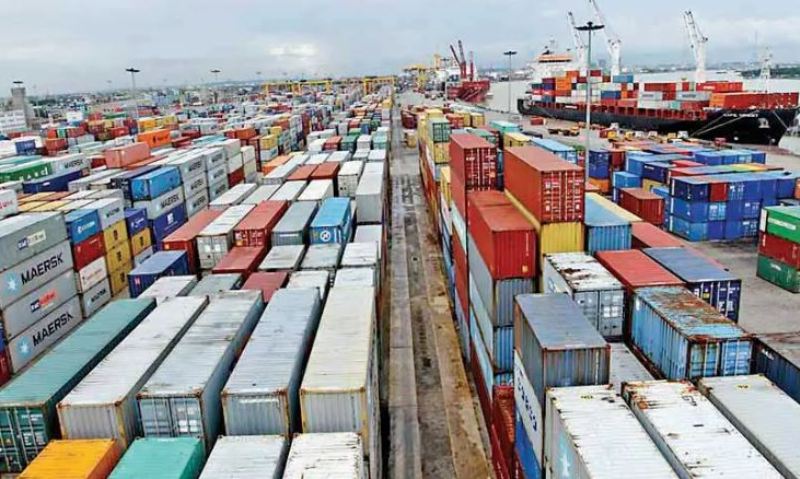
Fitch Ratings has revised its outlook for global container shipping from ‘deteriorating’ to ‘stable’, anticipating stable to improving performance across several sub-sectors, such as tankers and bulk, though this is partially tempered by the declining trend in container shipping.
Shipping remains one of the most exposed sectors to geopolitical conflicts due to several choke points on key trade routes, its vital role in global supply chains and its limited ability to adjust effective capacity in the short term. Global shipping benefitted in 2024 from a continuation of existing conflicts (e.g. tankers from the Ukraine war) and emergence of new situations (Red Sea disruption for container shipping), said Fitch in a press release.
A decrease in geopolitical risks could eventually stabilise elevated freight rates, though this adjustment is likely to occur gradually following the resolution of disputes.
Trade policy changes, especially those anticipated after the US 2024 election results, pose a clear risk in 2025, potentially reducing demand for shipping companies. However, ‘just in case’ supply chain strategies might drive a short-term surge in demand. Re-routing trade lanes could help offset this demand risk, said the release.
Fitch forecast tankers and dry bulk to remain stable, with the former the most likely to perform well. “Container shipping is on track to reach an oversupply situation in 2025 with new vessel deliveries and this is likely to keep reducing freight rates,” it added.
Greater clarity on emissions regulations continues to present medium- to long-term risks, driven by increased compliance costs and the need for investment in operational assets and supporting infrastructure, concluded the release.