
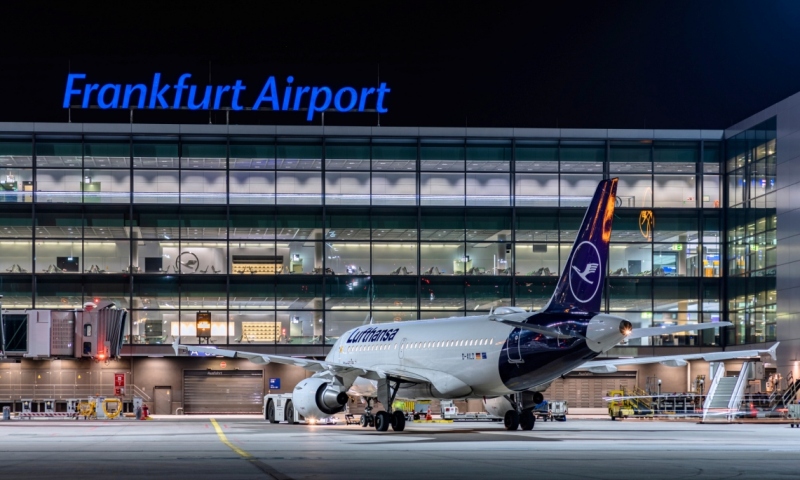
Strong growth in outbound air cargo shipments helped Frankfurt Airport cushion the impact of declining imports, highlighting the resilience of Germany’s largest aviation cargo hub amid changing international trade flows.
The airport recorded improved export volumes during the reporting period, supported by stronger demand for German industrial products, automotive components, pharmaceuticals, machinery and other high-value goods. However, weaker inbound shipments weighed on overall cargo performance.
The contrasting trends reflect changing trade patterns across major international markets, with export demand providing important support to Frankfurt’s air freight operations.
Frankfurt Airport, one of Europe’s leading cargo gateways, plays a crucial role in connecting German manufacturers and exporters with major markets across Asia, North America and the Middle East. Its extensive network of passenger and dedicated cargo flights supports the movement of time-sensitive and high-value shipments.
The growth in exports also underlines the importance of air freight in supporting Germany’s industrial and manufacturing sectors, particularly for products requiring rapid international transportation.
Meanwhile, the decline in imports points to softer inbound cargo demand and changing supply-chain requirements. Variations in industrial production, consumer demand and international sourcing patterns are among the factors influencing air cargo flows.
Frankfurt Airport continues to strengthen its position as a major European logistics hub through investments in cargo infrastructure, digitalisation and operational efficiency.
The latest performance highlights the growing importance of export traffic in sustaining air cargo volumes and maintaining Frankfurt’s competitiveness in the global air freight market.