
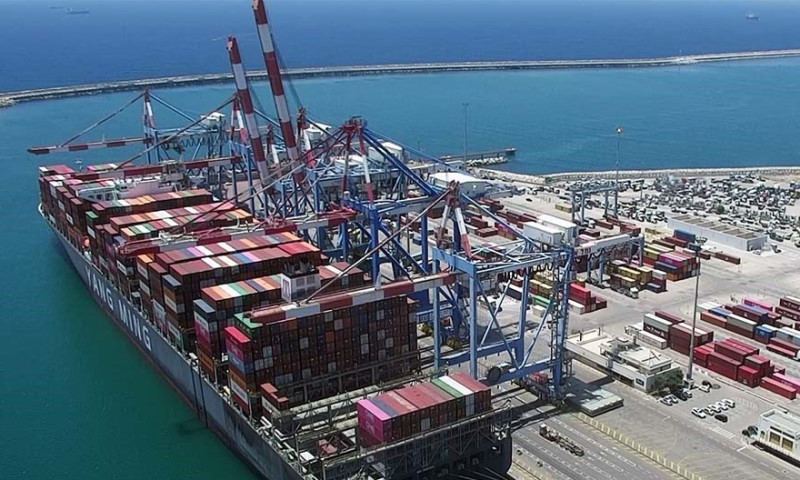
To bring sweeping changes in the 118-year-old Indian Ports Act, the govt has proposed that all ports — major and minor — report any incident that threatens pollution of coastal waters and damage to their properties and provide data on trade and commerce.
The Indian Ports Bill, 2025, which has been approved by the cabinet and is likely to be introduced in the second half of Parliament’s budget session, proposes to make 23 violations as criminal offences, including those related to safety and (marine) pollution at ports, oil spills and waste disposal. The bill proposes penalties ranging between Rs 10,000 and Rs 2 lakh, and imprisonment in some cases.
Sources said the criminal offences would also include non-payment of port fees, obstruction of port operations, damage to property, violation of safety regulations and unauthorised access to port areas.
The bill also proposes to designate big ports as “major ports”, which can be either major ports owned by the central government or minor ones by private players and state governments.
As per the provisions of the approved Bill, ports must “promptly” report any incident to the central government that threatens or is likely to pose a threat of pollution to the coastal waters. They must also report the particulars of incidents such as property damage, vessels sinking, vessel collision and fire in a manner prescribed by the central government.
The bill proposes to legalise the Maritime States Development Council and mandate states to set up dispute resolution committees.
Officials said the provision of the Centre’s power to direct a port to adopt a mechanism for electronically integrating port-related data with the port community system or any other centralised system will be crucial in the long term and better planning.
As per the bill, a new port will be allowed to start operation only after a due notification by the government.