
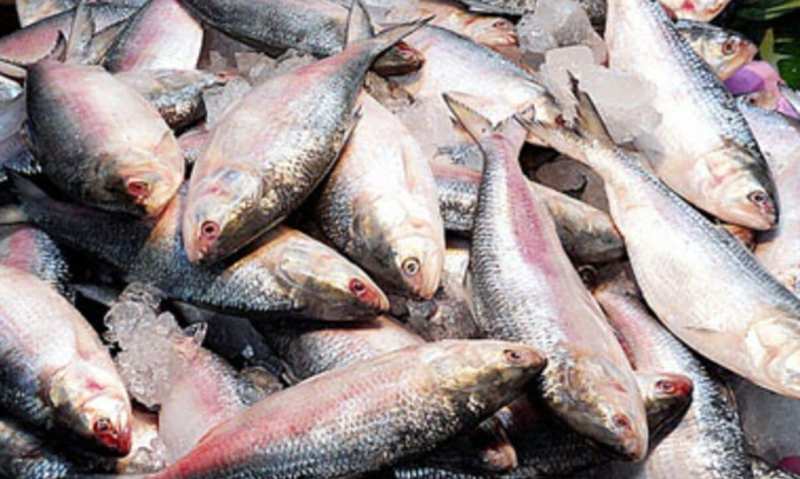
Indian hilsa importers are urging Bangladesh to ease restrictions on fish exports to India ahead of the Durga Puja festival, when demand for the popular fish typically rises.
Traders and importers are seeking permission for hilsa shipments from Bangladesh to help meet festive-season demand in Indian markets. Bangladesh is a major source of hilsa for Indian consumers, particularly in West Bengal and other eastern states.
The export restrictions have raised concerns among Indian traders who depend on cross-border supplies during the festival season. Importers say a resumption of shipments would help ensure adequate availability and support trade between the two countries.
Demand for hilsa traditionally increases around Durga Puja, making the timing of export permissions important for importers and retailers. Any relaxation of restrictions could provide relief to businesses preparing for the seasonal increase in consumption.
The issue also highlights the wider importance of fisheries trade between India and Bangladesh. Traders are closely watching Bangladesh’s position on hilsa exports as the festival approaches.
Indian importers are hoping for a favourable decision that would allow shipments to resume and help maintain supplies in Indian markets during the peak festive period.