
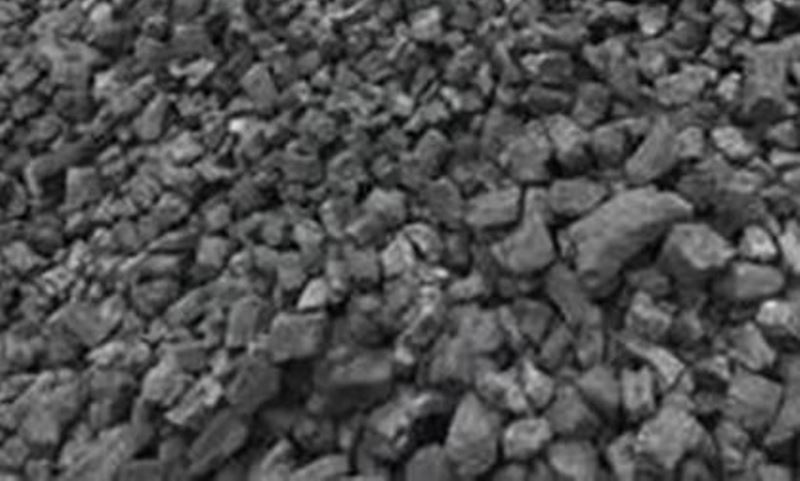
India’s growing metallurgical coal trade with the United States is unlikely to fully protect the domestic steel industry from ongoing price volatility and supply chain risks, according to industry analysts. While increased imports from the U.S. help diversify sourcing, structural challenges in the global coking coal market continue to weigh on cost stability for steelmakers.
Met coal, a critical raw material used in blast furnace steel production, remains heavily exposed to geopolitical tensions, weather-related disruptions, freight fluctuations, and concentrated global supply. Although U.S. shipments offer an alternative to traditional suppliers such as Australia, they may not be sufficient to offset broader market shocks.
Indian steel producers have been seeking stable and competitive coal supplies to support expanding capacity and rising domestic demand. However, higher logistics costs, currency movements, and intermittent supply constraints can still pressure margins even with diversified import channels.
Industry experts note that long-term resilience will depend on a broader strategy that includes multiple sourcing partnerships, improved raw material security, and greater adoption of alternative steelmaking technologies. Until then, the sector is expected to remain vulnerable to global coal price swings and supply disruptions.