
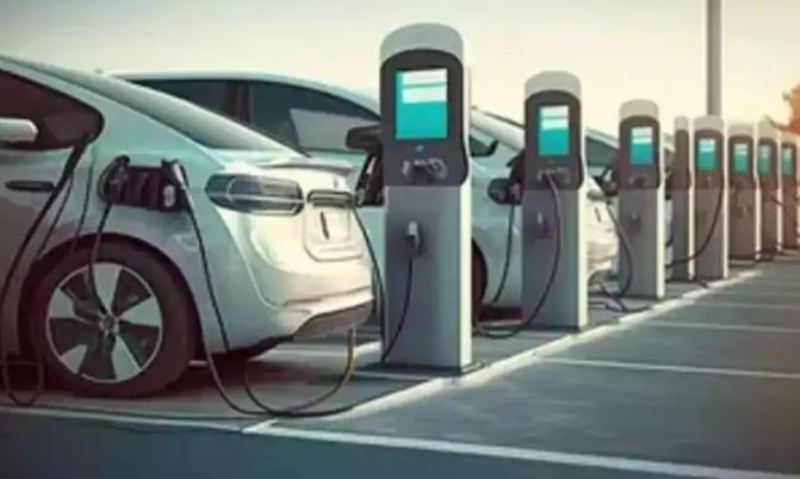
India’s ambitious push into electric vehicles (EVs) could deepen its trade deficit with China and heighten import dependency on its northern neighbour, warns a new report from the Global Trade Research Initiative (GTRI), an Indian private think tank.
For decades, China has remained India’s biggest import source, with inbound shipments from Beijing totalling nearly USD 94 billion in the April-February period of the current fiscal year. This dwarfs imports from other major trade partners like Russia, UAE, USA and Saudi Arabia.
As Indian industry embraces EVs, the report cautions that reliance on Chinese components and parts for this emerging sector will swell import volumes from China even further.
It cites the example of the joint venture between SAIC Motor and JSW Group that aims to sell over 1 million EVs by 2030 in India.
“Considering each vehicle has an ex-factory cost of USD 15,000 and 60 per cent import dependence on China for EV batteries, motors and components, the annual import bill will exceed USD 10 billion on EVs alone,” the GTRI report stated.
While India has decided against extending tax concessions under its EV policy to Chinese companies – a move that could help tackle the import surge – the report warns that dependency on Chinese inputs for EV production may prove difficult to circumvent in the near-term.
“With the entry of Chinese firms in the Indian market, industrial product imports are set to rise at an accelerated pace,” it said. “As these firms will prefer sourcing requirements from parent companies in China, India’s imports will rise sharply.”
The influx of Chinese corporations across India’s energy, telecom and transportation sectors is also expected to reinforce import reliance on Beijing for industrial goods and capital equipment.
As Indian industry increasingly integrates with Chinese partners to drive its EV ambitions and infrastructure modernisation, the long-standing trade imbalance favouring China looks set to escalate, despite government efforts to curb the deficit.