
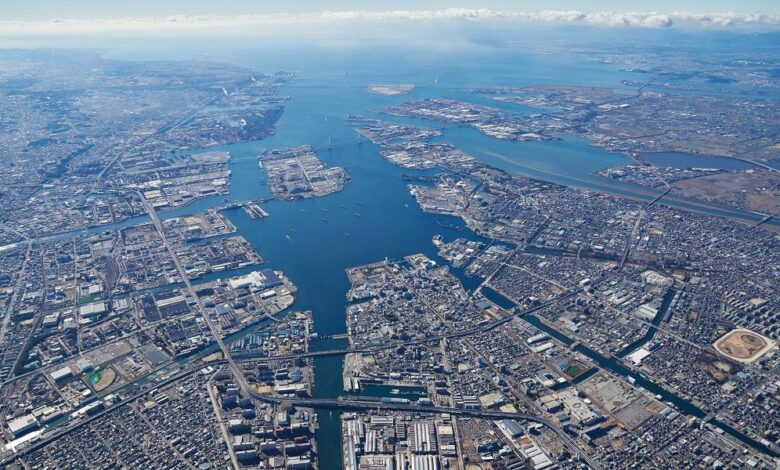
The Port of Nagoya is set to modernise its container handling facilities through plans to deepen berths and install new ship-to-shore cranes, strengthening its ability to accommodate larger vessels and support growing cargo volumes.
The proposed upgrades are aimed at enhancing operational efficiency, reducing vessel turnaround times and improving the port’s competitiveness in regional and international trade. Deeper berths will enable the port to receive larger, next-generation container ships, while the addition of advanced cranes will boost cargo-handling capacity and productivity.
As one of Japan’s busiest ports and a key gateway for automotive, manufacturing and industrial exports, Nagoya plays a crucial role in the country’s supply chain. The infrastructure improvements are expected to support rising trade demand and ensure the port remains capable of handling evolving shipping requirements.
The investment also aligns with broader efforts to modernise Japan’s port infrastructure, improve logistics resilience and strengthen connections with global shipping networks. Enhanced terminal facilities are expected to provide greater operational flexibility for shipping lines and terminal operators.
Industry observers believe the expansion will reinforce the Port of Nagoya’s position as a major maritime hub in East Asia, supporting long-term trade growth and facilitating more efficient movement of containerised cargo through Japan’s logistics network.