
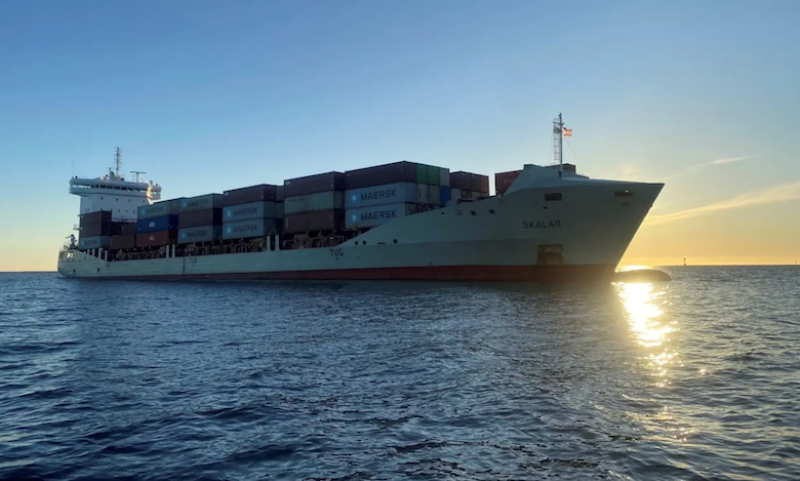
A new direct container shipping route has been launched between southwest China and Vietnam, creating a faster maritime connection between the two markets and supporting growing regional trade.
The service, operated by a Panama-flagged container vessel, provides a direct link for cargo moving between southwest China and Vietnamese ports. The new connection is expected to improve shipping options for exporters and importers by reducing the need for transshipment through other ports.
The route is particularly significant for businesses in southwest China, where direct maritime connectivity can help improve access to Southeast Asian markets. More direct services can also provide greater flexibility for cargo planning and potentially reduce transit times and handling requirements.
Vietnam has become an important manufacturing and trading hub in Southeast Asia, while southwest China continues to expand its trade links with regional markets. The new service strengthens maritime connectivity between the two economies and supports the broader development of regional supply chains.
The introduction of the route also reflects the growing importance of China–Southeast Asia trade lanes, as manufacturers and logistics companies seek more efficient transportation links within Asia.
For shippers, the direct service offers an additional option for moving containerised cargo between southwest China and Vietnam. Its development could encourage further growth in bilateral trade and contribute to stronger regional logistics connectivity.