
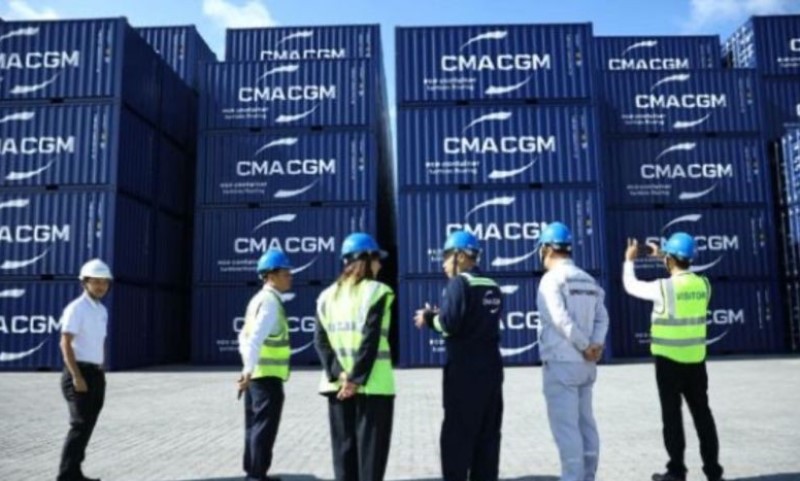
Syria has signed an agreement with CMA CGM for the operation of two dry ports, according to reports from state media, marking a move aimed at improving the country’s inland logistics and cargo distribution capabilities.
The agreement is expected to support the handling, storage and movement of containerised cargo between seaports and inland trade centres. Industry observers said the development could help streamline freight operations, reduce congestion at maritime gateways and strengthen multimodal transport connectivity within Syria.
Dry ports play a key role in extending port services inland by providing customs clearance, warehousing and container handling facilities closer to industrial and commercial centres. Logistics experts noted that the planned operations could improve supply chain efficiency and facilitate trade flows in the region.
The deal also reflects CMA CGM’s continued presence in Middle East logistics and port-related infrastructure despite ongoing geopolitical and economic challenges in the region. Analysts said investment in inland logistics facilities could support future reconstruction and trade activity if regional conditions stabilise.
State media reports indicated that the project forms part of broader efforts to modernise transport and logistics infrastructure in Syria and improve cargo movement across domestic and regional supply chains.