
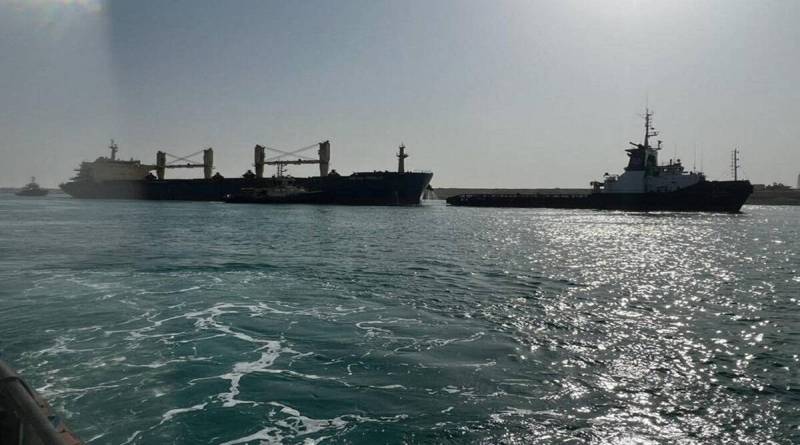
“The North-South Transport Corridor could serve as an alternative to the Suez Canal for deliveries from the UAE to Russia, especially to the Ural and Siberian regions of our country, given their geographical location,” Chichin said, as quoted by RIA Novosti.
However, he also noted that administrative and infrastructure challenges are currently holding back the development of transportation along the corridor. Costs for companies transporting consolidated cargo are rising due to Iranian customs requirements for master bills of lading—documents that confirm ownership of the cargo. The average cost of such a document is $100–$150. Meanwhile, for shipments via the Suez Canal from the UAE to Russia, a single bill of lading suffices for all batches of goods.
Regarding infrastructure issues, Chichin explained that during peak periods, from September to December, temporary storage facilities at Astrakhan ports often become overcrowded. This is due to insufficient capacity to handle the high volume of cargo, as well as a shortage of gantry cranes for lifting and moving containers, he emphasized.
The INSTC is a multimodal route stretching 7,200 kilometers, connecting Saint Petersburg to the port of Mumbai in India. The corridor includes three routes: the Trans-Caspian route (utilizing railways and ports), the western land route (via Azerbaijan), and the eastern route (through Kazakhstan and Turkmenistan).