
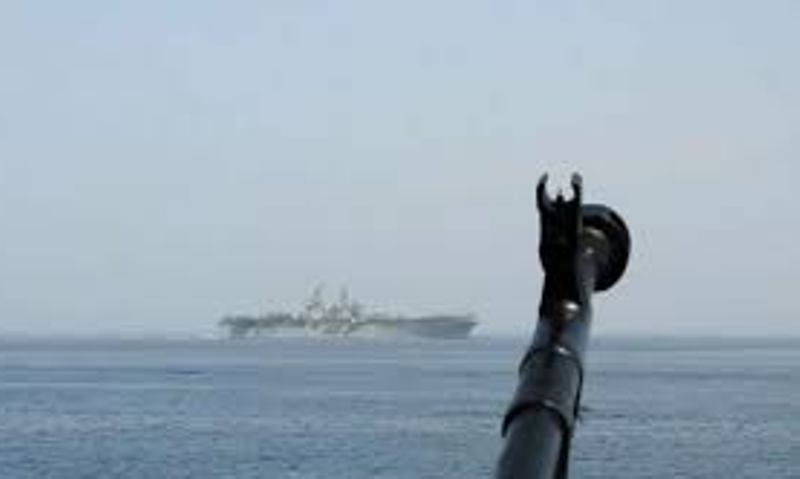
U.S. military forces have disabled a commercial vessel attempting to reach an Iranian port, underscoring Washington’s continued enforcement of its naval blockade on Iran despite ongoing diplomatic efforts aimed at easing regional tensions. According to U.S. officials, the vessel ignored multiple warnings before being intercepted and rendered inoperable in the Gulf of Oman.
The incident highlights the fragile balance between military enforcement measures and ongoing negotiations intended to stabilize the situation in and around the Strait of Hormuz. While discussions on a potential framework for reducing tensions have continued, U.S. authorities have reiterated that blockade measures remain in force until a formal agreement is reached.
Shipping and energy markets are closely monitoring developments, as the Strait of Hormuz remains one of the world’s most strategically important maritime corridors for crude oil, LNG and commercial cargo movements. Any disruption to vessel traffic in the region can have significant implications for global energy supplies, freight rates and insurance costs.
U.S. Central Command has reported multiple enforcement actions since the blockade was introduced, including the diversion of numerous commercial vessels and the disabling of ships accused of attempting to breach restrictions on access to Iranian ports.
Industry analysts note that continued maritime confrontations could prolong uncertainty for shipping operators, tanker owners and commodity traders. The latest action reinforces concerns that commercial shipping in the Gulf region remains vulnerable to geopolitical developments even as diplomatic channels remain active.
The episode reflects the ongoing strategic pressure campaign against Iran and signals that maritime enforcement measures are likely to remain a key element of U.S. policy until negotiations produce a broader and more durable agreement.