
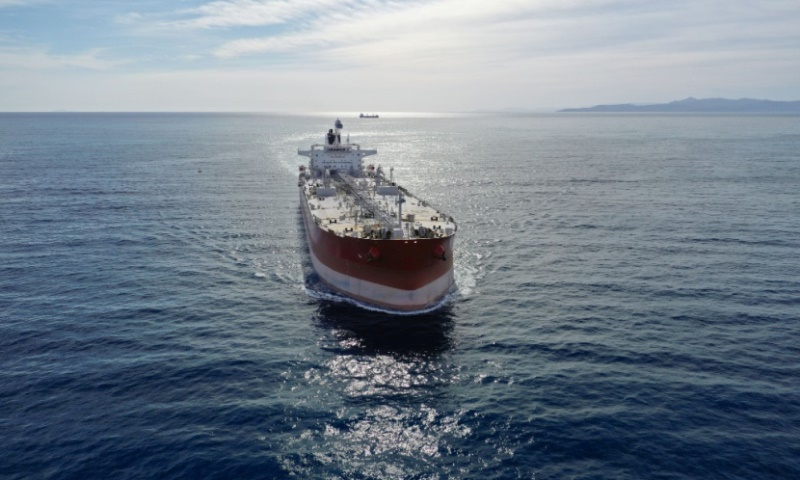
India has granted limited regulatory relaxations to select vessels carrying cargo from Iran, in a move aimed at securing critical energy supplies amid ongoing disruptions in West Asia.
According to sources, the waivers have been issued on a case-by-case basis, allowing certain ships—despite not fully meeting standard compliance norms such as age restrictions or sanctions-related limitations—to dock at Indian ports and discharge cargo.
The decision comes as India grapples with supply pressures, particularly in liquefied petroleum gas (LPG) and crude oil, driven by reduced shipping activity through the strategically vital Strait of Hormuz. Vessel traffic through the route has dropped sharply due to regional tensions, creating delays and tightening availability of energy cargoes.
In recent instances, select Iranian cargo vessels, including older tankers and those under sanctions, have been permitted to deliver shipments at Indian ports to help bridge supply gaps. The government’s approach reflects a pragmatic shift prioritising domestic energy security over strict enforcement of maritime entry norms.
Officials indicated that these relaxations are temporary and carefully controlled, with each vessel assessed individually based on urgency, cargo type, and safety considerations. The move is also aligned with broader efforts by India to accelerate incoming shipments during a brief ceasefire window and rebuild inventories.
Industry experts note that while such waivers may raise compliance and insurance concerns, they are increasingly necessary in the current geopolitical environment, where supply chain disruptions are forcing governments to adopt flexible strategies.
The development underscores the growing impact of West Asian tensions on global shipping and energy markets, as countries like India balance regulatory frameworks with the need to ensure uninterrupted supply of essential commodities.