
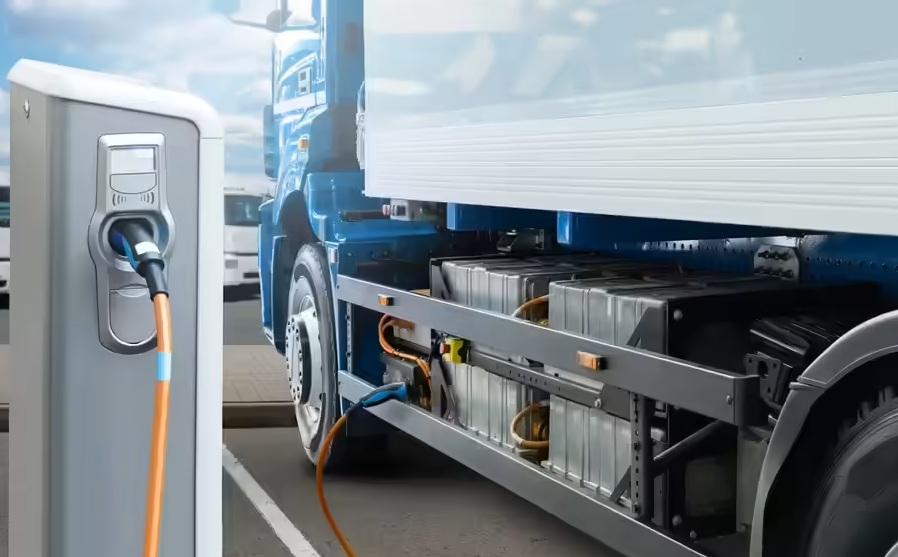
DM Transport has deployed its first electric truck at the Port of Rotterdam, marking a step forward in the company’s efforts to reduce emissions from its logistics operations.
The electric vehicle will be used for transport activities within and around the port, supporting the movement of cargo while reducing reliance on conventional diesel-powered trucks. The deployment is part of DM Transport’s broader transition toward cleaner road freight operations.
The move comes as the Port of Rotterdam continues to encourage the adoption of zero-emission vehicles and cleaner logistics solutions across its extensive transport network. Electrification of port trucking is seen as an important measure for cutting local air pollution and carbon emissions from freight movements.
For DM Transport, the introduction of its first electric truck provides an opportunity to gain operational experience with electric heavy-duty vehicles, including their performance, charging requirements and suitability for regular port-related transport.
The deployment also reflects a wider shift in the European logistics sector, where trucking companies are increasingly investing in electric vehicles as environmental regulations tighten and demand grows for lower-emission supply chains.