
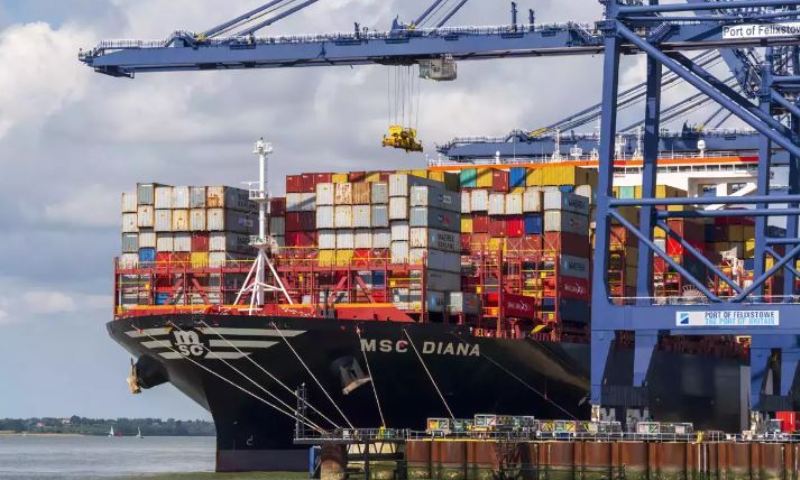
Maersk will keep its Emergency Fuel Surcharge (EFS) at the Port of Felixstowe unchanged at £3.82 ($5.18) per import laden container from September 1, 2026. The decision follows the carrier’s latest review of the surcharge level.
The £3.82 rate was introduced from August 1, when Maersk reduced the Felixstowe EFS from £4.17 to £3.82 per import laden container. The carrier had indicated that the surcharge would be reviewed again in mid-August for September.
The latest decision means importers using Felixstowe will continue to pay the same emergency fuel-related charge during September, providing some stability in landed transport costs.
The surcharge forms part of Maersk’s mechanism for responding to changes in fuel and operating costs affecting port and inland logistics. Previous reviews have resulted in significant adjustments, including an increase from £2.95 to £5.38 in May and subsequent reductions during the summer.
By maintaining the current rate, Maersk is avoiding another increase for Felixstowe imports despite continuing volatility in global fuel and shipping markets.
The September decision will be closely watched by importers, freight forwarders and other supply-chain participants, particularly as fuel costs and geopolitical disruptions continue to influence transportation expenses.