
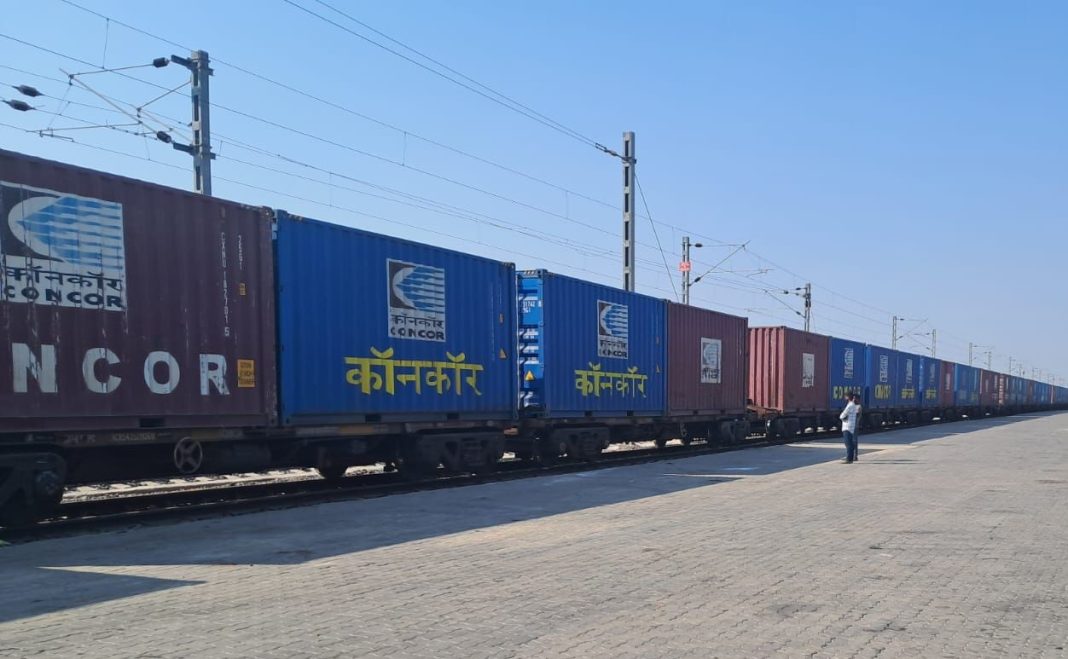
Indian Railways is planning a comprehensive overhaul of its container transportation system to attract more export cargo, with proposed measures including easing compliance requirements, introducing shorter container rakes, offering tariff benefits under the hub-and-spoke model and allowing private-sector maintenance of container wagons.
The proposed reforms aim to improve operational efficiency, reduce logistics costs and make rail-based container transportation more attractive to exporters and container train operators.
A key proposal is to exempt eligible containerised export cargo from mandatory 100% weighment. According to a senior railway official, the relaxation would apply to specified commodities, with random checks conducted on 5% of rakes to maintain oversight.
Currently, containers are weighed at depots before being transported by rail and again at ports. Indian Railways’ additional weighment requirement is seen as an added compliance burden. Under the proposed system, container operators would need to submit a copy of the Verified Gross Mass (VGM) declaration in accordance with the guidelines issued by the Directorate General of Shipping.
Mini Container Rakes to Target High-Value Cargo
Indian Railways is also planning to introduce mini container rakes comprising at least 25 wagons, compared with the existing standard rakes of around 45 wagons.
The move is intended to encourage the movement of higher-value commodities in containers by providing greater flexibility in train operations and enabling operators to serve cargo volumes that may not justify a full-length rake.
Indian Railways currently operates around 750 container rakes, each comprising approximately 45 wagons. The introduction of shorter rakes could expand the scope for containerised rail transportation among exporters seeking more flexible freight solutions.
Private Maintenance of Container Wagons Under Consideration
Another significant proposal under consideration is allowing private-sector companies to undertake the maintenance of flatbed wagons used for container transportation.
Indian Railways is examining representations from wagon manufacturers and container train operators seeking permission to maintain wagons privately. Discussions are under way on the financial terms and incentives that could make the arrangement viable.
Industry estimates indicate that approximately 20% of railway wagons are at maintenance depots at any given time. Private maintenance could potentially improve wagon availability and turnaround times.
At present, Indian Railways charges an amount equivalent to around 5% of the total freight tariff value towards the maintenance of container wagons. Container train operators are seeking discounts on freight charges if they assume responsibility for wagon maintenance, arguing that private participation could deliver faster maintenance and better asset utilisation.
The proposed arrangement could create new opportunities for public-private partnerships (PPPs) in railway freight operations.
Hub-and-Spoke Network to Offer Tariff Benefits
Indian Railways is also looking to expand the number of routes served by hub-and-spoke terminals to improve container aggregation and long-distance movement.
Under this model, freight train operators can consolidate containers originating from multiple locations at designated hubs before transporting them over longer distances. The proposed tariff benefits would allow operators to retain applicable long-distance freight charges rather than incur higher short-distance rates when cargo is rebooked at hub terminals.
Expanding the network could improve connectivity between inland cargo centres, container freight stations, ports and export-oriented industrial clusters, while helping operators optimise train utilisation.
Focus on Cost-Competitive Rail Logistics
Taken together, the proposed measures signal Indian Railways’ efforts to strengthen its position in the containerised export logistics market. Reduced compliance requirements, more flexible rake configurations, potential savings on wagon maintenance and improved tariff structures could make rail transport a more competitive option for exporters.
For India’s export supply chain, the success of these initiatives will depend on their implementation, the eligibility criteria for concessions and the extent to which the proposed operational and tariff changes translate into lower logistics costs and improved service reliability.