
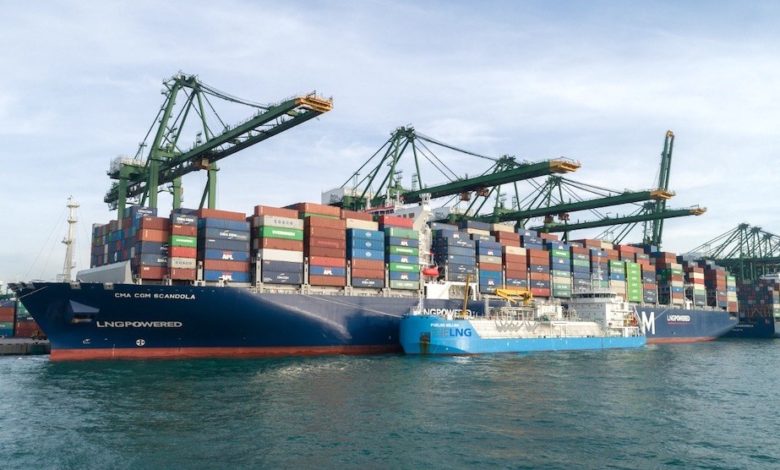
The global shipping industry is ordering alternative-fuel vessels at a faster pace than ports can develop the infrastructure required to fuel them, creating a growing challenge for shipowners investing in cleaner propulsion technologies, according to a new report by Lloyd’s Register (LR).
The report, Fuel for Thought: Ports, released on Monday, found that 1,942 alternative-fuel-capable vessels were on order as of January 2026, accounting for 47% of the global shipbuilding orderbook by tonnage, based on data from Clarksons Research.
However, the availability of bunkering infrastructure remains highly uneven across different fuel types. LNG bunkering is available at 222 ports worldwide, while methanol bunkering is actively offered at just 25 ports. Commercial ammonia bunkering, meanwhile, has been recorded at only one port, following the first operation at Ulsan, South Korea, in April 2026.
The infrastructure gap is particularly concerning given that shipowners have already ordered 385 methanol-capable vessels and 45 ammonia-capable ships.
“The fleet is moving faster than the infrastructure needed to support it,” said Kamran Ul Haq, Senior Vice President of LR Ports Advisory. He noted that fuel availability must increasingly be considered alongside trading strategies when shipowners make investment decisions.
LNG Leads the Alternative-Fuel Transition
The growing momentum behind alternative-fuel vessels is being driven predominantly by LNG.
Shipowners ordered 69 alternative-fuel vessels in September 2026, marking the highest monthly total in nearly two years. LNG accounted for 48 of these orders, covering containerships, car carriers, bulk carriers and ro-ro vessels.
During the first nine months of 2026, alternative-fuel vessel orders reached 311, representing a 53% increase compared with the corresponding period last year.
LNG’s leading position reflects its relatively mature supply network and commercially established propulsion technology, offering shipowners greater flexibility when deploying vessels across international trading routes.
Methanol is gradually gaining acceptance at major bunkering hubs, but its geographical availability remains limited. Ammonia is at an even earlier stage, with most ports concentrating on pilot projects, safety assessments and regulatory frameworks.
Ports Face Strategic Investment Decisions
The infrastructure challenge is also influencing investment decisions at major international ports.
The ports of Los Angeles and Long Beach have identified LNG and methanol as the most viable alternative marine fuels for the near and medium term. Their joint Clean Marine Fuel Feasibility Assessment recommended a phased approach to infrastructure development, building on existing ship-to-ship LNG bunkering capabilities while advancing methanol pilot projects and strengthening safety and permitting requirements.
The findings reinforce LR’s recommendation that ports should prioritise fuels supported by credible future demand rather than attempt to develop infrastructure for every emerging technology.
“Ports do not need to back every fuel. They need to understand where credible demand will emerge and put the safety, regulation, skills and partnerships in place to respond,” Ul Haq said.
LR also highlighted the concentration of alternative-fuel infrastructure in a relatively small number of major shipping hubs, particularly in Northern Europe, North Asia and Singapore. This makes fuel availability along specific trading routes an increasingly important consideration when shipowners evaluate newbuildings and vessel conversions.
Biofuels Offer a More Immediate Option
Biofuels present a comparatively accessible option because compatible blends can generally be supplied through existing bunkering infrastructure.
LR’s Fuel Oil Bunker Analysis and Advisory Service recorded drop-in biofuel deliveries at 90 ports during the preceding 12 months. However, supply remains concentrated, with the 13 leading ports accounting for 77.5% of recorded volumes. Singapore alone represented more than a quarter of the total.
Hydrogen, meanwhile, remains largely confined to demonstration projects and short-sea shipping applications.
Fuel Availability Must Translate into Real Emissions Reductions
The report also draws attention to the distinction between making alternative fuels available and ensuring that they deliver meaningful environmental benefits.
LNG’s growing adoption has brought increased scrutiny of methane slip, the release of unburned methane from ship engines. This issue is becoming increasingly significant as European emissions regulations impose greater financial consequences for greenhouse gas emissions.
Similarly, the climate benefits of methanol and other emerging fuels depend heavily on their production pathways. Ensuring adequate supplies of genuinely low-carbon fuels remains a major challenge alongside the development of bunkering infrastructure.
Safety, Regulation and Skills Will Shape the Transition
According to LR, the next phase of the maritime energy transition will require targeted infrastructure investment, regulatory preparedness and closer coordination between ports, shipowners and fuel suppliers.
Berth-specific risk assessments, licensing procedures, emergency response capabilities and workforce training will be essential to moving alternative fuels beyond pilot operations and into routine commercial use.
Ul Haq emphasised that investment decisions should be guided by identifiable demand rather than speculative expectations. Named vessel programmes and green shipping corridors can also help reduce infrastructure investment risks while encouraging early development of safety frameworks, licensing systems, emergency preparedness and workforce capabilities.
For shipowners, the message is increasingly clear: ordering a vessel capable of operating on alternative fuels is only one part of the decarbonisation journey. Ensuring that the required fuel is available, affordable and commercially viable across its intended trading routes is becoming equally critical.
The growing gap between vessel orders and port readiness could therefore emerge as one of the defining challenges in the shipping industry’s transition towards cleaner energy.