
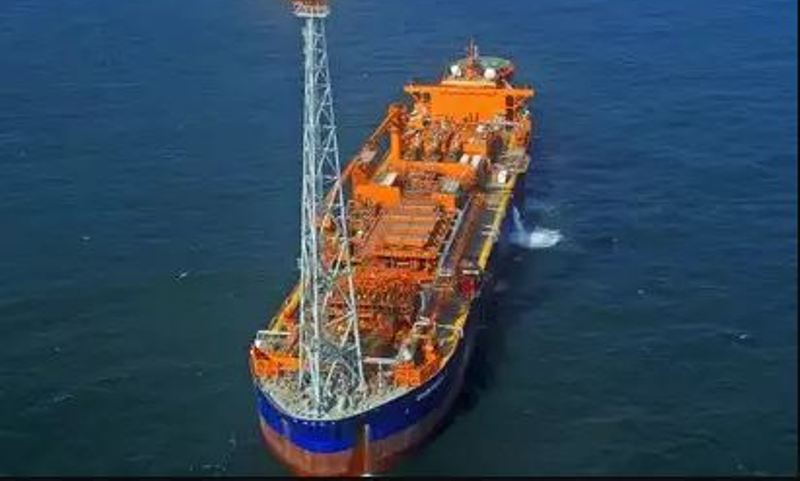
Greek shipowner Laskaridis is to provide data on ship performance and the project is supported by Singapore’s National Research Foundation
A new research project using real-time ship data is to focus on the real impacts of alternative marine fuels with the aim of uncovering “realistic pathways” to get to shipping decarbonisation, Ship & Bunker portal reports.
Information on fuel consumption, weather and vessel routing will be fed to the project that is being overseen by a research team at Cambridge University’s base in Singapore.
“This will allow us to apply our modelling tools and provide “what if?” answers based on realistic data,” according to Epaminondas Mastorakos, principal investigator for the maritime decarbonisation group at CARES.
According to data platform Metis, a partner in the project, the research “will create an invaluable database for projecting ship CO2 reductions, based on a granular analysis that goes far beyond estimates based on average fuel consumption and routing”.
Greek shipowner Laskaridis is to provide data on ship performance.
“The high-frequency data collection systems installed on our vessels serve as the foundation for harnessing the potential of Al,” said Nikolaos Tsoulakos, technology manager at the shipping company.
The project is supported by Singapore’s National Research Foundation.