
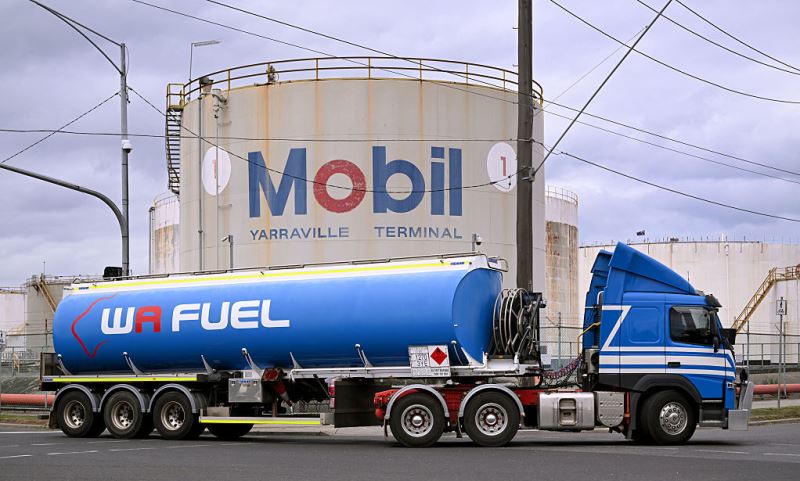
Emergency fuel surcharges have been introduced across Australia and New Zealand for inland trucking and waterway transport services, reflecting rising fuel costs and mounting pressure on regional logistics operators.
The surcharges are expected to apply to selected domestic freight movements involving road haulage and inland waterway operations, where fuel expenses represent a major component of transport costs. Carriers often use temporary fuel adjustments to manage sudden price volatility and protect service viability.
Industry participants said increases in diesel and marine fuel prices, along with broader geopolitical uncertainty in global energy markets, have contributed to the decision. Exchange rate movements and local taxation structures can also influence transport operating costs.
The added charges may affect shippers moving containers, bulk goods, agricultural products, retail cargo, and industrial materials across domestic supply chains in both countries. Higher inland transport costs can eventually feed into warehousing expenses and final delivered prices.
Logistics experts note that inland trucking remains essential for first-mile and last-mile connectivity, while coastal and inland waterway services support freight movement where geography and infrastructure make multimodal solutions efficient.
Analysts said the emergency surcharges highlight the sensitivity of domestic freight networks in Australia and New Zealand to energy market fluctuations. Businesses are expected to review routing, load planning, and contract terms to manage the impact of higher transportation costs.