
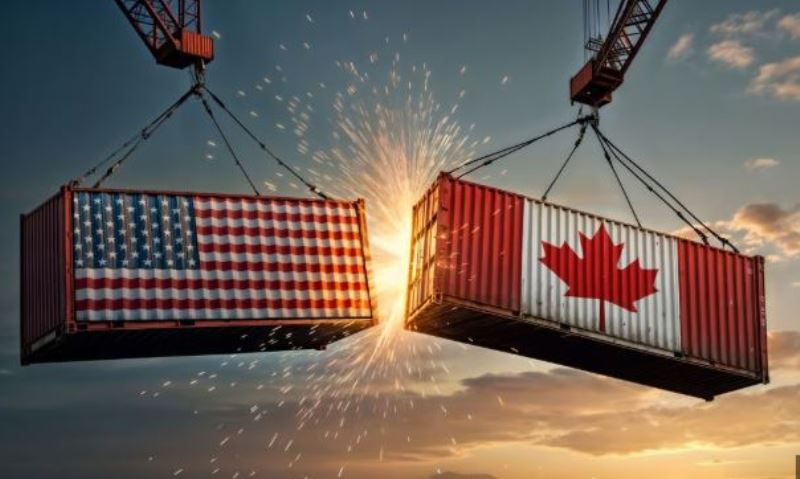
Canada has imposed fresh counter-tariffs on selected goods imported from the United States, escalating trade tensions between the two North American trading partners and creating additional cost pressures for businesses on both sides of the border.
The new measures target a range of US products and are intended to respond to US trade actions affecting Canadian exports. The tariffs increase the cost of covered US goods entering the Canadian market and could prompt importers to review sourcing and supply-chain arrangements.
For Canadian businesses, higher duties on US imports could raise procurement costs, particularly for companies that rely on American products, components and raw materials. Importers may seek alternative suppliers from Canada or other international markets if the measures remain in place for an extended period.
The impact could also extend to cross-border logistics. Canada and the US maintain highly integrated manufacturing and distribution networks, with goods frequently crossing the border several times during the production process. Additional tariffs can therefore increase costs and complicate supply-chain planning.
US exporters facing the new duties may also need to reassess pricing and market strategies in Canada. Some companies could absorb part of the additional cost to remain competitive, while others may pass the increase on to Canadian customers.
The latest action adds another layer of uncertainty to bilateral trade, particularly for industries with closely integrated supply chains. Automotive, manufacturing, agriculture and consumer goods companies are among those that could face higher costs depending on the products covered by the measures.
Canadian importers and US exporters are expected to monitor the tariff provisions closely, including product classifications, effective dates and any exemptions that may apply. Freight forwarders and customs brokers will also need to ensure shipments are correctly classified and duties are properly assessed.
The counter-tariffs could influence cargo flows between the two countries if businesses begin shifting procurement toward alternative markets. However, the extent of any trade diversion will depend on the duration and scope of the measures.
The development underscores the continuing importance of US-Canada trade to regional supply chains. With cross-border commerce accounting for substantial volumes of road, rail and maritime freight, prolonged tariff uncertainty could affect transportation demand and logistics costs.
Businesses on both sides are likely to watch for further negotiations or policy changes that could ease the dispute. Until greater clarity emerges, companies engaged in US-Canada trade may need to factor the new tariffs into sourcing, pricing and inventory decisions.