
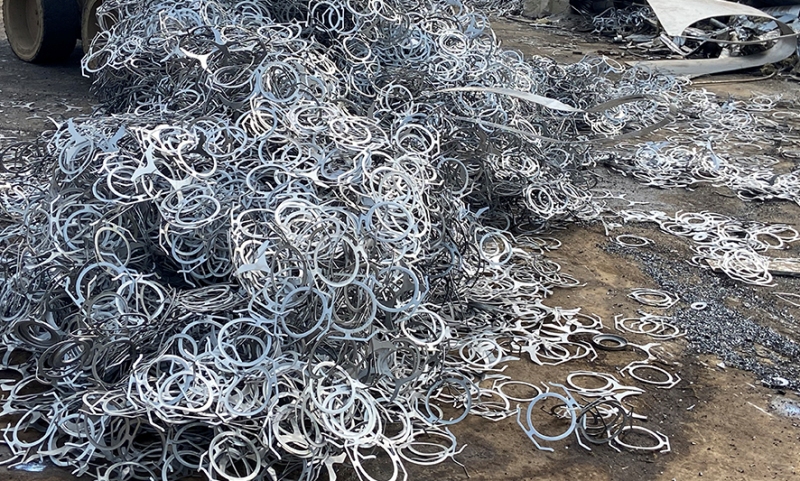
Indian metal recyclers have raised concerns over proposed European Union measures that could restrict exports of metal scrap to countries outside the bloc, warning that tighter controls could affect the availability and cost of recyclable materials for Indian industries.
The proposed EU rules are aimed at strengthening oversight of scrap exports and ensuring that recyclable materials are processed in facilities that meet environmental and regulatory standards. If implemented, the measures could introduce additional requirements for exporters and recycling destinations.
Indian recyclers rely on imported ferrous and non-ferrous scrap as an important source of raw material for metal production. Industry participants have therefore urged the government to assess the potential impact of the proposed European restrictions on India’s recycling and manufacturing sectors.
Recyclers have also sought government intervention to engage with European authorities and ensure that any new requirements do not create disproportionate barriers for compliant Indian recycling facilities.
The industry is concerned that reduced availability of European scrap could increase procurement costs and put pressure on downstream manufacturers, particularly those dependent on recycled metal inputs.
The developments come as the EU seeks to strengthen the circular economy and ensure that waste exports are handled in an environmentally responsible manner. For India, the issue highlights the importance of maintaining reliable international supply chains for recyclable raw materials while strengthening domestic recycling capacity.