
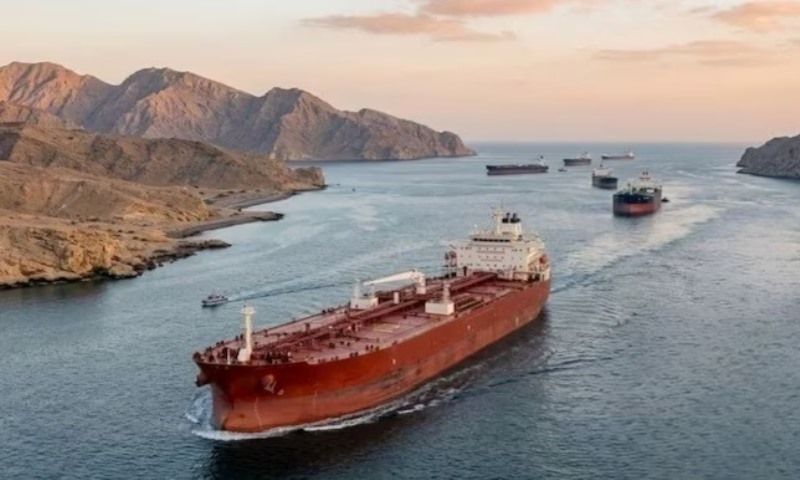
Shipping traffic through the Strait of Hormuz has fallen sharply following a series of attacks on tankers, with maritime tracking data showing the vital waterway operating at only a fraction of its normal traffic levels.
According to Kpler data, just five commodity vessels transited the strait on Saturday, while no commodity vessels were recorded passing through on Sunday. This compares with 31 vessels during the previous weekend, highlighting the scale of the latest slowdown.
The decline followed reports that three oil tankers operated by Abu Dhabi National Oil Company (ADNOC) had come under attack. Two ADNOC tankers were reportedly targeted by drones while transiting the strait, with the UAE blaming Iran for the attacks. No casualties were reported.
The latest disruption is significant because the Strait of Hormuz is one of the world’s most important energy corridors. Before the current conflict, more than 130 vessels a day typically passed through the waterway, according to shipping data. The strait has also historically carried around one-fifth of global oil and LNG shipments.
The sharp reduction in traffic is increasing concerns among shipowners and energy traders over the security of vessels and crews operating in the region. Several operators are avoiding the waterway or delaying voyages while assessing the risks.
The disruption is also affecting other regional shipping routes. Traffic through the Bab el-Mandeb Strait has declined amid a Houthi blockade, further complicating maritime movements between the Gulf, Red Sea and global markets.
The slowdown could put additional pressure on energy and freight markets if disruptions persist. Shipping companies, oil producers and importers are increasingly examining alternative routes and delivery arrangements to reduce their exposure to the region’s security risks.
With diplomatic efforts to restore safe navigation continuing, the future of commercial shipping through Hormuz remains closely tied to developments in the wider regional conflict.