
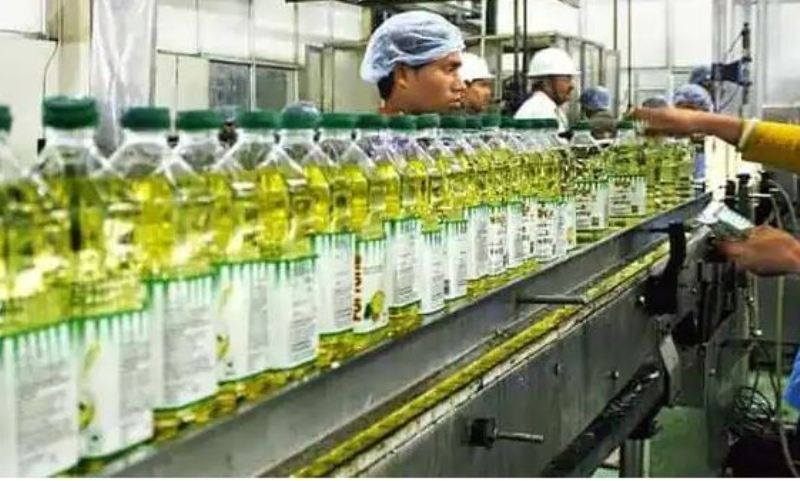
India’s edible oil industry has raised concerns over a sharp increase in edible oil imports from Nepal, urging the government to review existing trade policies after imports reportedly surged 17-fold in recent months.
Industry bodies have expressed apprehension that the rapid rise in imports could be disrupting the domestic edible oil market and affecting local refiners. They have called for a closer examination of import patterns and the implementation of safeguards to ensure that preferential trade arrangements are not being misused.
The sector has requested the government to investigate whether imported products comply with the rules of origin prescribed under bilateral trade agreements. Manufacturers argue that any diversion of third-country edible oils through Nepal could undermine the competitiveness of India’s domestic processing industry.
Stakeholders have also highlighted the potential impact on refining capacity utilization, employment, and investments in the edible oil sector if the surge in imports continues unchecked. They have sought a policy review aimed at balancing trade facilitation with the protection of legitimate domestic industry interests.
Government authorities are expected to examine the industry’s concerns while assessing the implications for bilateral trade commitments and supply chain stability. Any policy response is likely to focus on ensuring compliance with trade rules without disrupting genuine cross-border commerce between India and Nepal.