
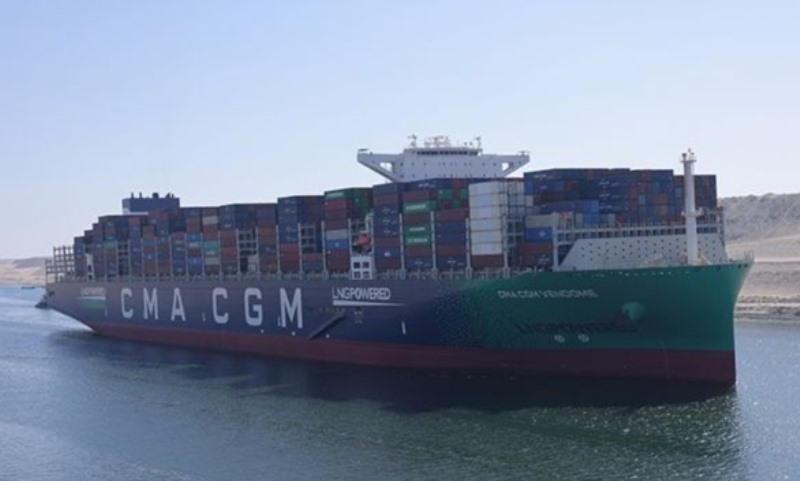
Maersk and CMA CGM are set to end their cooperation on the ASAS2 service, marking a change in the carriers’ network arrangements on the Asia–South America trade.
The decision will result in changes to the existing service structure and vessel deployment. Both carriers are expected to adjust their respective networks as they review capacity, port coverage and service schedules.
The ASAS2 service provides connectivity between Asian markets and destinations in South America, supporting containerised trade between the two regions. The service is used by exporters and importers moving a wide range of manufactured and consumer goods.
Ending the cooperation will require customers to review future routing and sailing options. Depending on how the carriers reorganise their networks, cargo owners could see changes in port rotations, transit times and available capacity.
The move comes as major container shipping lines continue to reshape their networks in response to changing trade flows, vessel availability and market conditions. Carriers are increasingly reviewing partnerships and service structures to optimise fleet deployment and improve network efficiency.
For Maersk and CMA CGM, the end of the ASAS2 cooperation will allow each carrier greater flexibility in managing its own capacity and network strategy.
Customers using the service are expected to receive updated schedules and routing information as the changes are implemented. Freight forwarders and shippers will need to assess alternative services to maintain smooth cargo flows between Asia and South America.
The development highlights the continuing evolution of global container shipping networks as carriers adjust cooperation agreements and service configurations to match changing market requirements.