
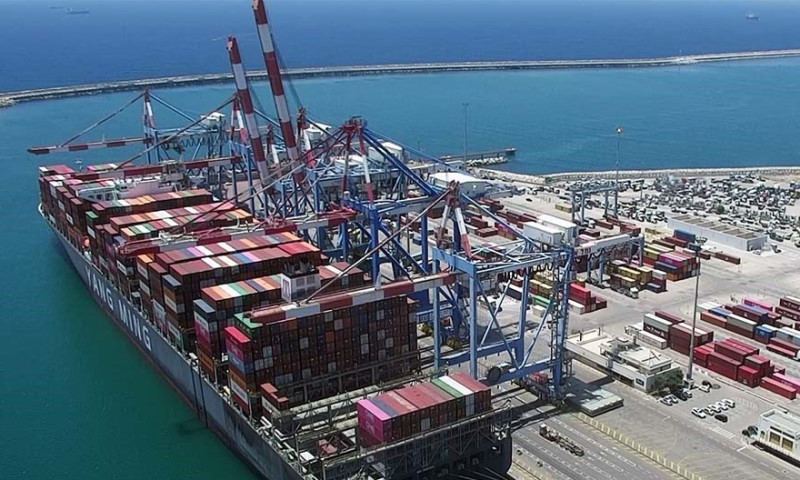
The Ministry of Ports, Shipping and Waterways has significantly ramped up efforts to boost India’s maritime and inland waterway sectors through infrastructure development, modernization, and state collaboration.
According to data presented by Union Minister Sarbananda Sonowal in the Lok Sabha, cargo throughput at major ports touched 819 million tonnes in FY24, while non-major ports recorded 724 million tonnes—together crossing the 1.5 billion tonne mark for the first time.
India’s 12 major ports, under the Centre’s administrative control, have seen steady investment-driven growth. Meanwhile, non-major ports—governed by states—are receiving focused funding under the Sagarmala Scheme. As of now, Rs 49.25 billion has been committed to 71 nonmajor port projects, including coastal infrastructure, ferry terminals, and community development.
The Inland Waterways Authority of India (IWAI) is advancing the Jal Marg Vikas Project (JMVP) on National Waterway-1 between Varanasi and Haldia, aimed at enhancing freight movement across Uttar Pradesh, Bihar, Jharkhand, and West Bengal. Bihar alone has seen Rs 8 billion worth of projects under JMVP, generating over 1,030 jobs.
In terms of direct employment, major ports employed over 16,600 people in 2024, while non-major ports saw workforce numbers rise to 13,381—reflecting an increasing focus on decentralised port development.
To ensure long-term growth and policy coordination, the Maritime States Development Council (MSDC)—established in 1997—continues to serve as the apex advisory body. Twenty meetings have been held so far, aligning Centre-State efforts for balanced maritime growth.
With a 7,500 km coastline and 14,500 km of navigable waterways, India is positioning port-led development as a key engine for logistics efficiency and coastal prosperity.