
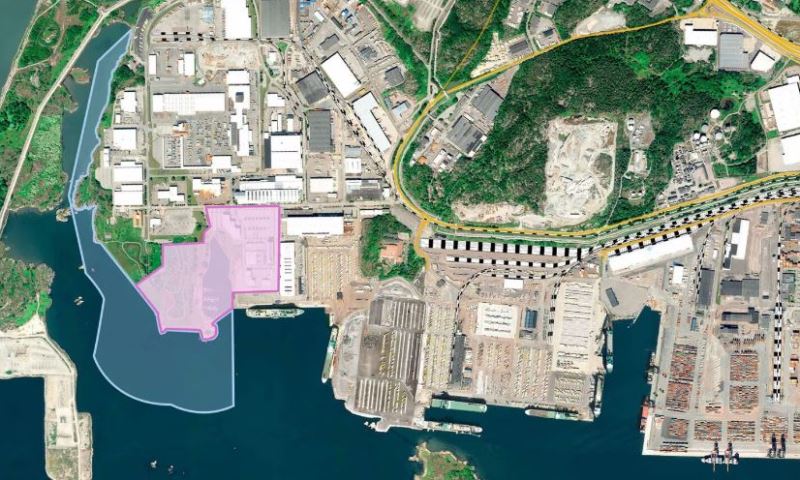
Port of Gothenburg has expanded its renewable bunker fuel capacity as part of efforts to support the maritime industry’s transition toward lower-emission and sustainable shipping operations.
The port has enhanced infrastructure and supply capabilities for renewable marine fuels, enabling shipping lines to access greater volumes of alternative bunker fuels such as biofuels and other cleaner energy options. The expansion is aimed at meeting rising demand from vessel operators seeking to reduce carbon emissions and comply with tightening environmental regulations.
Port authorities said the upgraded capacity will strengthen Gothenburg’s position as a major hub for sustainable maritime logistics in Northern Europe. The initiative also aligns with broader global efforts to decarbonise the shipping sector and accelerate the adoption of greener fuel solutions.
Industry observers noted that demand for renewable bunker fuels has increased significantly as shipping companies work toward international emission reduction targets set by the International Maritime Organization (IMO). Ports worldwide are investing in alternative fuel infrastructure to support the growing use of low-carbon marine energy sources.
The Port of Gothenburg has been actively involved in sustainability-focused projects, including shore power solutions, energy-efficient logistics operations and the development of green shipping corridors. The latest expansion is expected to improve fuel accessibility and operational flexibility for carriers operating in regional and international trade routes.
Analysts believe investments in renewable marine fuel infrastructure will play a key role in the long-term transformation of the global shipping industry as stakeholders seek cleaner and more resilient transport solutions.