
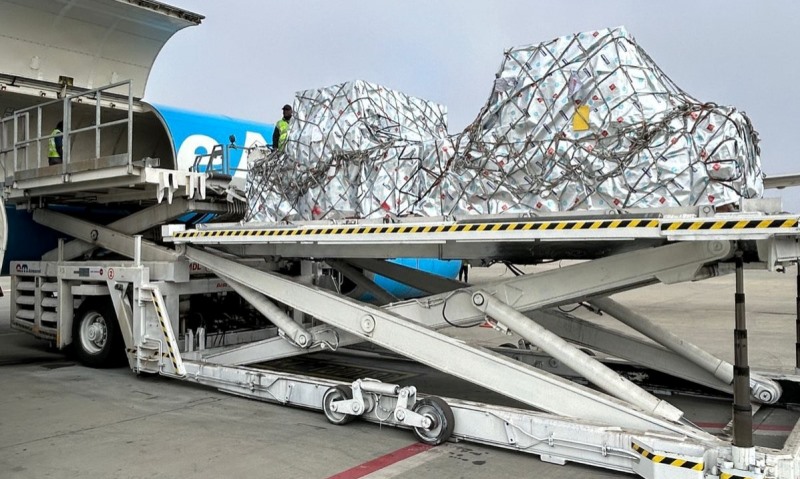
India’s air cargo sector is facing disruptions after Russia-related restrictions introduced by Adani have affected the movement of export shipments, leaving some cargo stranded and creating uncertainty for exporters.
The disruption has affected cargo flows through airports handled by Adani Airports, with exporters and logistics companies facing challenges in securing alternative arrangements for shipments linked to Russia.
The restrictions have added pressure to India’s air freight supply chain, particularly for exporters that depend on time-sensitive air transport. Delays can increase storage, handling and rebooking costs while also creating difficulties for businesses working with strict delivery schedules.
Exporters are reportedly looking for alternative routing and handling options as the situation develops. Freight forwarders and airlines may also need to adjust their operations to manage cargo affected by the restrictions.
The disruption highlights the vulnerability of international air cargo networks to geopolitical developments and sanctions-related compliance requirements. India’s exporters have increasingly relied on air freight for high-value, perishable and time-sensitive goods, making stable airport operations critical to maintaining overseas supply chains.
Industry participants are seeking clarity on the restrictions and their duration, while exporters remain concerned about the potential impact on shipment schedules and customer commitments.
The situation could also prompt businesses to diversify airport gateways and logistics providers to reduce their exposure to disruptions at individual facilities. Further developments will depend on regulatory and operational decisions concerning Russia-linked cargo.