
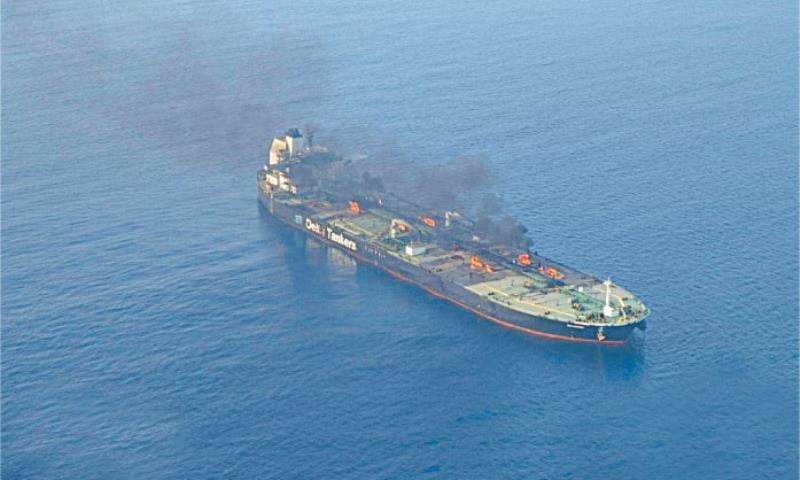
The U.S. State Department has officially designated Yemen’s Ansarallah group, commonly known as the Houthis, as a Foreign Terrorist Organization (FTO), marking a significant shift in U.S. policy toward the Iranian-backed group responsible for attacks on commercial vessels in the Red Sea since 2023.
President Trump’s administration cited the Houthis’ ongoing maritime threat as the primary justification for the designation. According to Executive Order 14175, “the Houthis’ activities threaten the security of American civilians and personnel in the Middle East, the safety of our closest regional partners, and the stability of global maritime trade.”
The designation represents a return to Trump-era policy after fluctuations in the U.S. stance toward the Yemen-based group. The Biden Administration had previously removed the Houthis from the FTO list in February 2021, citing humanitarian concerns in Yemen, only to redesignate them as Specially Designated Global Terrorists (SDGT) in January 2024 following escalating maritime attacks.
“Since 2023, the Houthis have launched hundreds of attacks against commercial vessels in the Red Sea and Gulf of Aden, as well as U.S. service members defending freedom of navigation and our regional partners. Most recently, the Houthis spared Chinese-flagged ships while targeting American and allied vessels,” the announcement stated.
The State Department emphasized that the FTO designation “plays a critical role in our fight against terrorism and is an effective way to curtail support for terrorist activities.” The practical implications include restricting the Houthis’ access to financial markets and impeding funding channels that support their operations.
Unlike the previous SDGT designation under the Biden Administration, which included humanitarian carveouts to protect the Yemeni population, the Trump Administration’s approach appears to take a harder line. However, the designation’s impact on humanitarian aid flows to Yemen remains unclear.
When implementing the SDGT designation in 2024, the Biden Administration stated, “The people of Yemen should not pay the price for the actions of the Houthis,” assuring that “commercial shipments into Yemeni ports on which the Yemeni people rely for food, medicine and fuel should continue and are not covered by our sanctions.”
The Trump Administration’s warning extends beyond the Houthis themselves, with the State Department declaring it “will not tolerate any country engaging with terrorist organizations like the Houthis in the name of practicing legitimate international business.”
It’s important to note that the Houthis have refrained from attacking commercial and naval vessels in the Red Sea region since a ceasefire agreement between Israel and Hamas was reached in mid-January, prior to President Trump’s inauguration. The Houthis have signaled their intention to honor the ceasefire agreement but have also maintained their willingness to resume attacks if the agreement collapses.
Despite the ceasefire, no meaningful return of shipping services to the Red Sea region has occurred, as most operators still consider the situation too risky.