
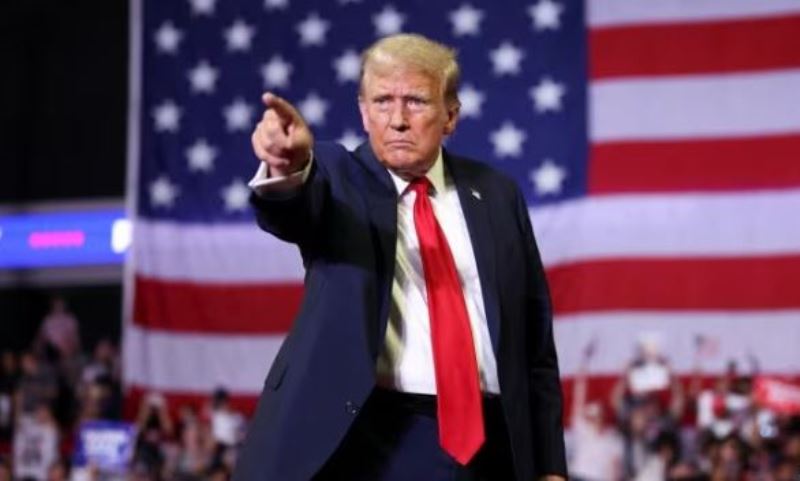
President-elect Donald Trump has backed dockworkers in their automation battle with employers on the US east and Gulf coasts, citing his America first mantra.
Unionised workers and employers have not been able to agree terms for a new labour deal, with levels of automation being the hurdle, something that risks becoming a fully blown strike come January 15, five days before Trump’s inauguration as the 47th president of the US.
Trump met with International Longshoremen’s Association (ILA) president, Harold Daggett, and executive vice president, Dennis Daggett, at his home in Florida yesterday, after which the president-elect took to social media to voice his support for the workers, stating: “Foreign companies have made a fortune in the US by giving them access to our markets. They shouldn’t be looking for every last penny knowing how many families are hurt. They’ve got record profits, and I’d rather these foreign companies spend it on the great men and women on our docks, than machinery, which is expensive, and which will constantly have to be replaced.”
United States Maritime Alliance (USMX), the employers group, responded, stating: “[We] need modern technology that is proven to improve worker safety, boost port efficiency, increase port capacity, and strengthen our supply chains. ILA members’ compensation increases with the more goods they move – the greater capacity our ports have and goods that are moved means more money in their pockets.”