
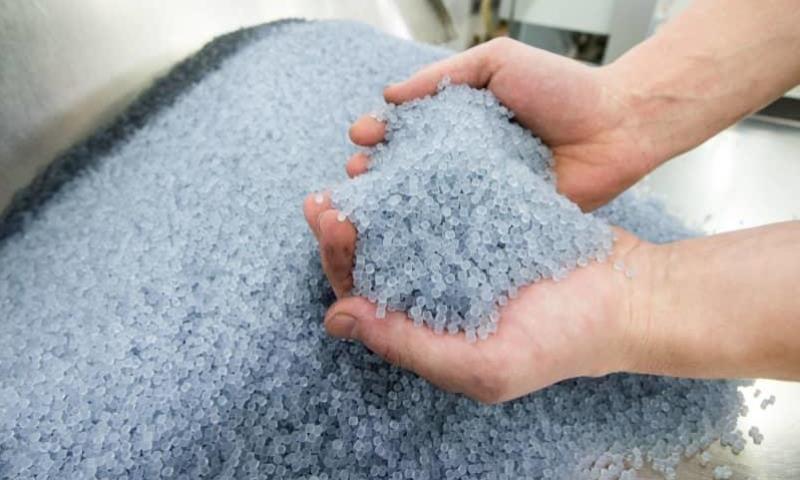
The European Union will clamp down on the shipping of plastic pellets.
The EU has set obligations for the transport of plastic pellets by sea in containers, including ensuring good quality packaging and providing transport and cargo-related information, following the non-binding guidelines of the International Maritime Organization.
The deal, due to be phased in over the coming three years, has a clear zero pellet loss objective and introduces a hierarchy of action with prevention as the top priority, followed by spill containment and, as a last resort, clean-up of pellet spills and losses. This, combined with mandatory measures to use appropriate packaging, equipment, training and infrastructure, marks a significant improvement over existing voluntary initiatives and reflects growing recognition that only proactive spill prevention can effectively reduce microplastic pollution.
Plastic production pellets, around 5 mm in size, also known as nurdles, are the building blocks of all larger plastics and constitute the third largest source of microplastic pollution in the EU with media regularly reporting on tons of these minute items washing up on shores across the continent.
“Microplastics, including plastic pellets are now found everywhere — in our oceans, seas and even in the food we eat. Each year, the equivalent of up to 7,300 truckloads of plastic pellets are lost to the environment. The EU has taken a landmark step toward reducing pellet pollution by adopting measures to tackle losses and ensure correct handling, including in maritime transport,” commented Paulina Hennig-Kloska, Polish minister for climate and environment.