
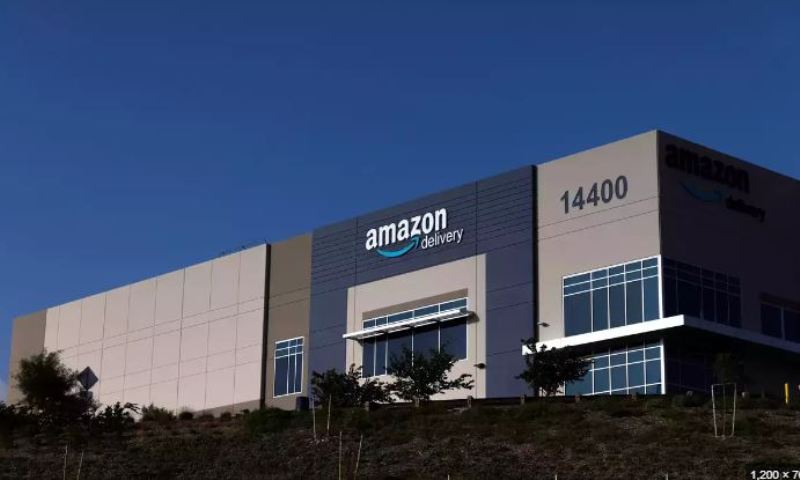
In a major blow to India’s textile and apparel sector, leading American retailers, including Amazon, Walmart, Target, and Gap, have reportedly suspended orders from Indian suppliers following US President Donald Trump’s decision to impose a steep 50% tariff on imports from India.
Indian exporters have received formal communication from US buyers instructing them to pause all shipments of apparel and textiles until further notice. Retailers are said to be unwilling to absorb the additional cost and have asked Indian suppliers to bear the financial burden instead.
Exporters warn that the move could shift sourcing to countries such as Bangladesh and Vietnam, which currently face only a 20% US tariff, making them more cost-competitive. Industry estimates suggest the new duties could raise export costs by 30–35%, triggering a 40–50% drop in US-bound orders and a potential revenue loss of $4–5 billion for India’s textile industry.
Major exporters such as Welspun Living, Indo Count, Trident, and Gokaldas Exports, who derive 40–70% of their sales from the US, are expected to be among the hardest hit. The United States remains India’s largest market for textiles and apparel, accounting for 28% of the country’s total exports in the category, which stood at $36.61 billion in FY 2024–25.
The Tariff Decision
The White House on Wednesday issued an Executive Order doubling tariffs on Indian imports to 50%, citing India’s continued purchase of Russian oil as the reason. The initial 25% duty took effect on August 7, with an additional 25% to be implemented on August 28. Goods already in transit may qualify for exemptions, and the president retains authority to adjust the measure depending on geopolitical developments.
In the order, President Trump called India’s oil trade with Russia “an unusual and extraordinary threat” to US national security and foreign policy.
India’s Response
Prime Minister Narendra Modi addressed the issue at the MS Swaminathan Centenary International Conference in New Delhi, reaffirming India’s stance against external pressure.
“For us, the interest of our farmers is our top priority,” Modi said. “India will never compromise on the interests of farmers, fishermen, and dairy farmers. I know we will have to pay a heavy price for it, and I am ready for it.”
India has consistently resisted opening its agriculture and dairy sectors to global competition, citing the need to safeguard the livelihoods of millions of rural workers.