
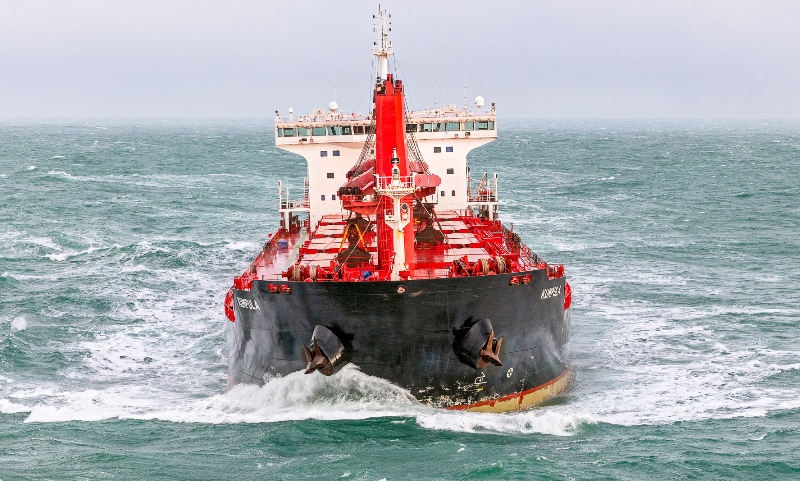
Fresh tensions erupted in the Strait of Hormuz after three commercial vessels were reportedly targeted, while Iranian forces seized two ships in a dramatic escalation that has intensified risks to one of the world’s most critical maritime trade corridors. The incidents have renewed concerns over regional stability, energy security, and supply chain disruption.
According to maritime security monitors, vessels transiting the strategic waterway came under attack, with one ship sustaining damage to its bridge. Iran’s Revolutionary Guard said two ships were intercepted for alleged maritime violations and redirected to Iranian waters, marking a significant increase in enforcement activity in the area.
The Strait of Hormuz is a vital chokepoint for global oil and gas shipments, and any disruption there can quickly impact freight markets, tanker availability, insurance premiums , and crude prices. Following the latest developments, oil markets reacted sharply amid fears of prolonged instability in the Gulf.
Shipping lines and traders are expected to reassess routing strategies, while governments and naval agencies closely monitor the situation. Continued volatility in Hormuz could further strain international supply chains already dealing with geopolitical and logistical uncertainty.