
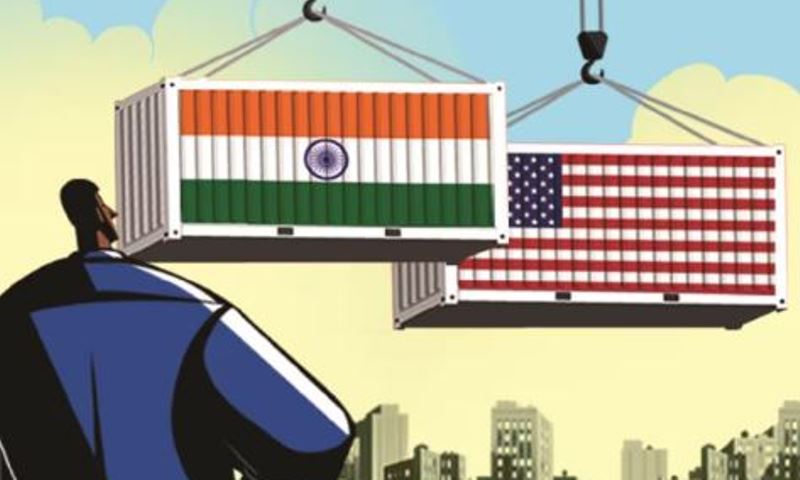
India is grappling with difficult strategic choices following the United States’ decision to impose steep, country-specific tariffs of 50% on most Indian goods, a move that comes on top of existing most favoured nation (MFN) duties. According to the Global Trade Research Initiative (GTRI), this development could reshape India’s trade, energy, and diplomatic strategies.
GTRI noted that India is marking its Independence Day this year under the shadow of a serious trade confrontation with Washington. The Trump administration’s move has placed New Delhi in a position where it must weigh four key options — negotiating with the US, retaliating with its own tariffs, diversifying export markets, or offering trade concessions such as ending purchases of Russian oil in exchange for tariff relief.
“Each option carries a different mix of gains and risks,” said GTRI Founder Ajay Srivastava, adding that India will need structural reforms and aggressive trade diplomacy to mitigate the impact. He stressed that expanding exports to Europe, ASEAN, Africa, the Middle East, and Latin America will be crucial.
Srivastava estimated that gains from diversification in the first two years could recover only $10–15 billion of the $50 billion in potential losses. However, if the high tariffs result in rising consumer prices and unemployment in the US, domestic political pressure could force Washington to cut the duties to around 15% for all countries.
“India’s best role here is to quietly highlight the tariffs’ cost to American voters,” Srivastava said. He added that in an era where economic power is wielded as a weapon, survival depends on “picking the right battles, anticipating the next move, and playing for the long win.”