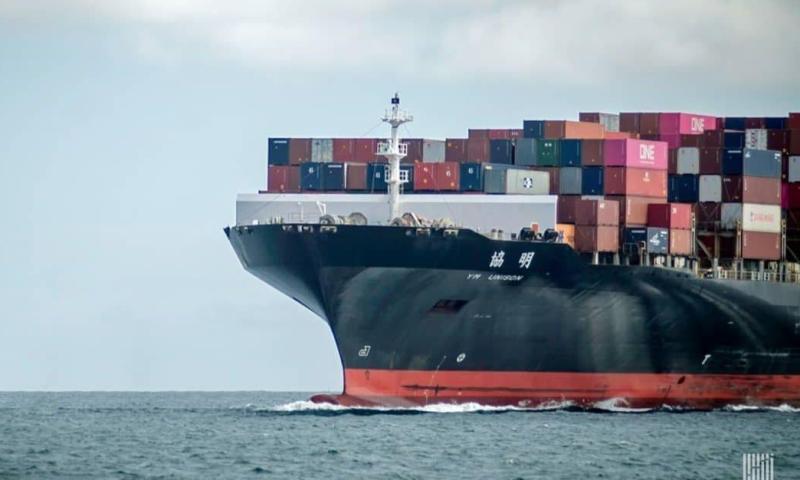
Global container carriers are redesigning service networks and introducing alternative routes to ensure cargo continues moving to and from Gulf markets amid heightened security concerns around the Strait of Hormuz.
Shipping lines are adjusting schedules, deploying additional feeder connections, and rerouting vessels to maintain supply chains for shippers in key Gulf economies such as United Arab Emirates, Saudi Arabia, and Qatar. Some carriers are also exploring transshipment options through regional hubs to reduce direct exposure to high-risk areas.
Industry sources say the changes come as shipowners and insurers reassess the risks of operating near the Strait of Hormuz following recent geopolitical tensions that have disrupted normal shipping patterns.
Ports such as Jebel Ali Port are expected to play a key role in maintaining cargo flows as carriers realign networks and coordinate with logistics providers to manage delays and capacity shifts.
While the new routing strategies are helping sustain trade, analysts note that longer sailing distances, higher insurance costs, and schedule adjustments could increase freight rates and transit times for Gulf-bound shipments in the near term.
