
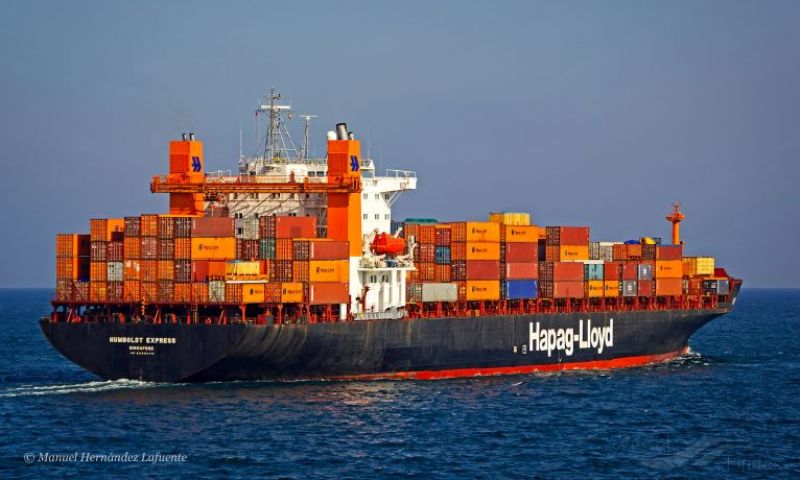
Hapag-Lloyd has temporarily suspended its IG1 and KWF container services as security risks in the Gulf region intensify, disrupting normal shipping operations and prompting carriers to reassess their networks.
The move comes amid heightened tensions around the Strait of Hormuz, a critical maritime chokepoint for global energy and trade flows. Shipping companies have increasingly adopted precautionary measures, including rerouting vessels and halting certain services, as safety concerns for crews and vessels mount.
The IG1 and KWF loops typically connect major ports in Asia and the Indian subcontinent with key Gulf hubs, handling a wide range of containerized cargo. By pausing these services, Hapag-Lloyd joins other carriers that have recently adjusted operations to minimize exposure to potential security incidents in the region.
Industry observers note that the suspension could tighten container capacity serving Gulf markets and lead to longer transit times as cargo is redirected through alternative routes or transshipment hubs.
The Strait of Hormuz handles a significant share of global maritime trade, and prolonged instability in the area continues to ripple across shipping networks and logistics supply chains.